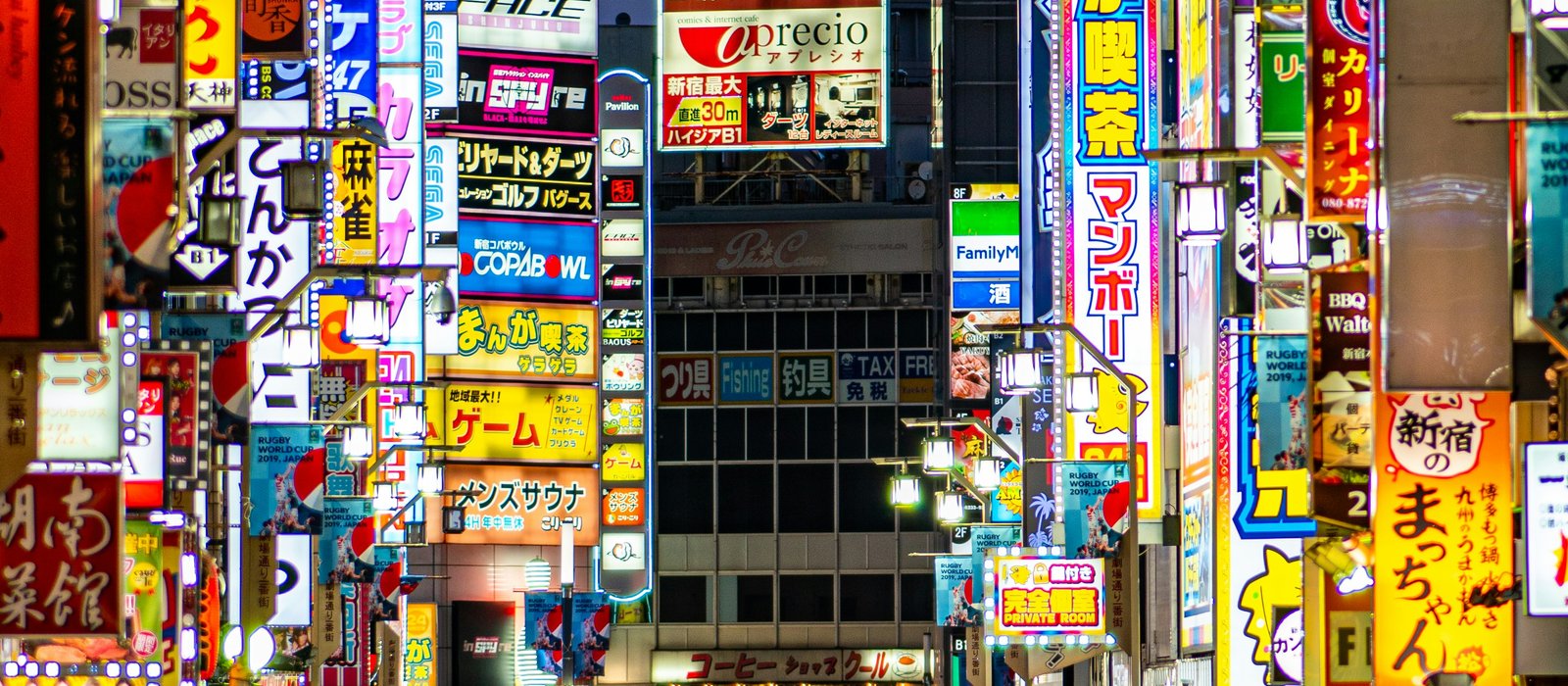
Tokyo is genuinely enormous, so where you base yourself shapes your whole trip — how much time you spend on trains each day, what's genuinely walkable at night, and the vibe you wake up to every single morning. The good news: the city's train network is genuinely so good that almost any central neighborhood works well. For a first visit, three areas stand out clearly, with a fourth worth considering if you want something a little more refined and quiet.
How to think about location
The single most useful thing to know is the JR Yamanote line — a loop that circles central Tokyo and stops at most of the neighborhoods you'll want. Staying on or near the Yamanote loop, or on a Tokyo Metro subway line, means you can reach almost anything quickly. With a Suica or Pasmo IC card in hand, getting around the whole system becomes effortless within a day or two. So "best neighborhood" is really less about raw centrality and more about which atmosphere actually fits you and how you like to travel.
Shinjuku — best all-rounder
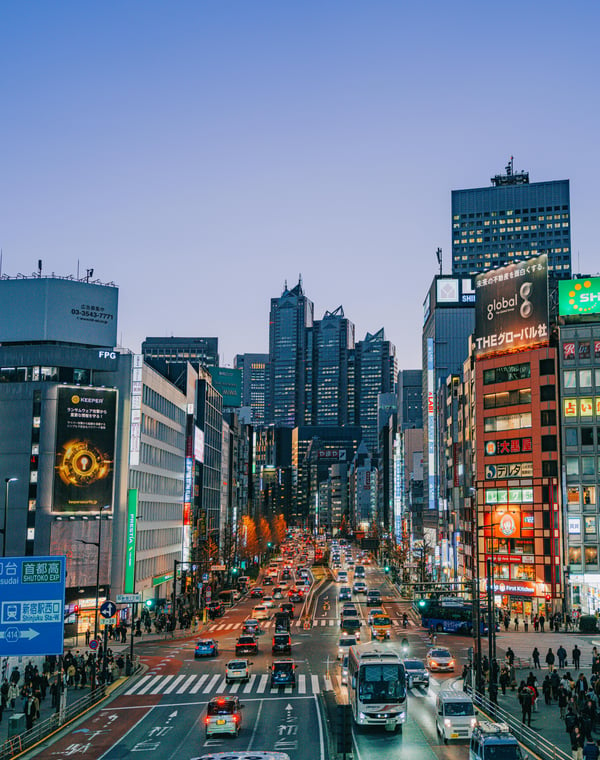
If you want one base that does everything, Shinjuku is the safe pick. It's a major transit hub, so trains radiate everywhere, and it packs in dining, shopping, nightlife, and green space (Shinjuku Gyoen, one of the city's loveliest parks) within walking distance. It's busy and bright — the neon-and-crowds Tokyo people picture — with the atmospheric little lantern-lit alleys of Omoide Yokocho for evening food. Great for first-timers who want energy and convenience in one place. The trade-off is that it's genuinely dense and can feel overwhelming if you prefer quiet, especially near the station at rush hour.
Asakusa — best for traditional atmosphere
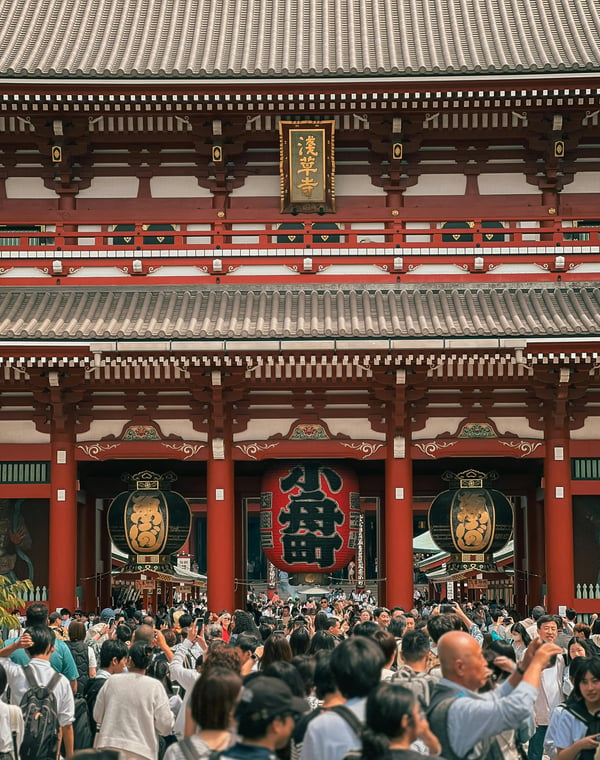
Asakusa is the old-Tokyo counterpoint. It's home to Senso-ji, the city's most famous temple, and the surrounding streets keep a more traditional, low-rise feel with craft shops and street food. It's calmer and often better value than the western hubs, and you're near the Sumida River and Tokyo Skytree, with a genuinely different morning atmosphere than waking up in Shinjuku or Shibuya. The trade-off: it sits on the eastern side, so reaching the Shibuya/Shinjuku side takes a bit longer — though still an easy train ride. Ideal if you want charm and a sense of history over glitz.
Shibuya — best for energy and shopping
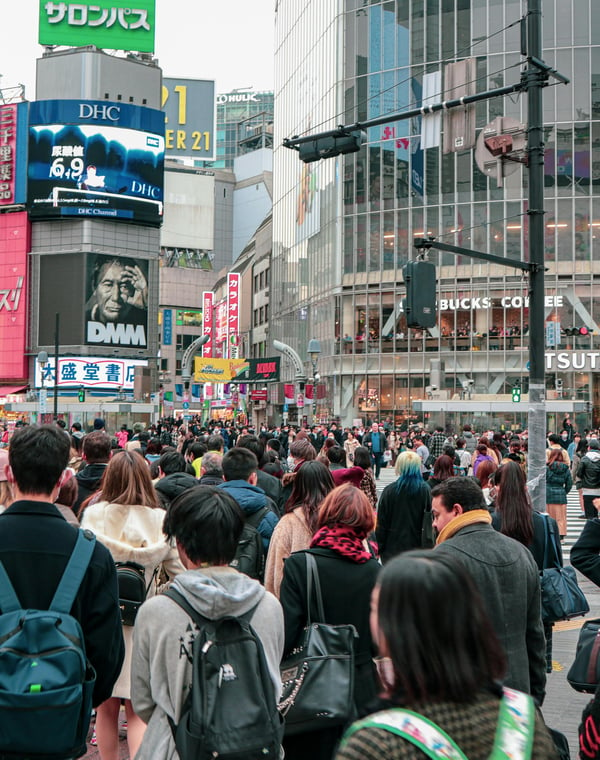
Shibuya is youthful, fashionable, and endlessly walkable, anchored by the famous Shibuya Crossing and surrounded by shopping, cafes, and nightlife, with newer hotel towers offering some of the city's best skyline views from a room. It connects smoothly to Harajuku and the rest of the Yamanote loop. It's a fantastic base if you're drawn to street culture, shopping, and being in the thick of things. Like Shinjuku, it's busy — that's the appeal and the catch.
Ginza — best for upscale calm
If you'd rather a more polished, grown-up base, Ginza is Tokyo's elegant shopping and dining district. It's central, refined, and quieter at night than the western hubs, with high-end stores and restaurants, and it's within easy walking or short-taxi distance of Tokyo Station for a smooth Shinkansen departure. It tends to cost more, but it's a great fit for travelers who want comfort and sophistication over buzz.
What actually changes between them at 11pm
Guidebooks compare neighborhoods by daytime attractions, but the real difference you'll feel is what happens after dinner. In Shinjuku or Shibuya, stepping outside your hotel at 11pm drops you straight into an open, lively street — convenience stores, late bars, people around. In Asakusa, the same hour is quiet, closer to a residential feel, which some travelers find restful and others find isolating after a big day out. Ginza sits between the two: polished and safe-feeling, but genuinely quiet, since it's a shopping and dining district rather than a nightlife one. If you know your own rhythm — someone who wants to collapse after a long day of sightseeing versus someone who wants an easy nightcap nearby — that matters more for picking a base than any list of sights.
Which should you choose?
For most first-time American visitors, Shinjuku is the easiest all-rounder, Asakusa wins for traditional charm and value, and Shibuya is best if you want to be at the center of the energy. Ginza is the upscale alternative. Any of them puts the whole city within easy reach — you can compare Tokyo hotel prices for your dates across all four areas before committing. (This article contains affiliate links — if you book through them we earn a small commission at no extra cost to you.)
Hotels in these areas book up fast in cherry blossom and fall foliage season, so it's worth checking availability and prices early for your dates. Once your base is set, the fun part is planning what to actually do.