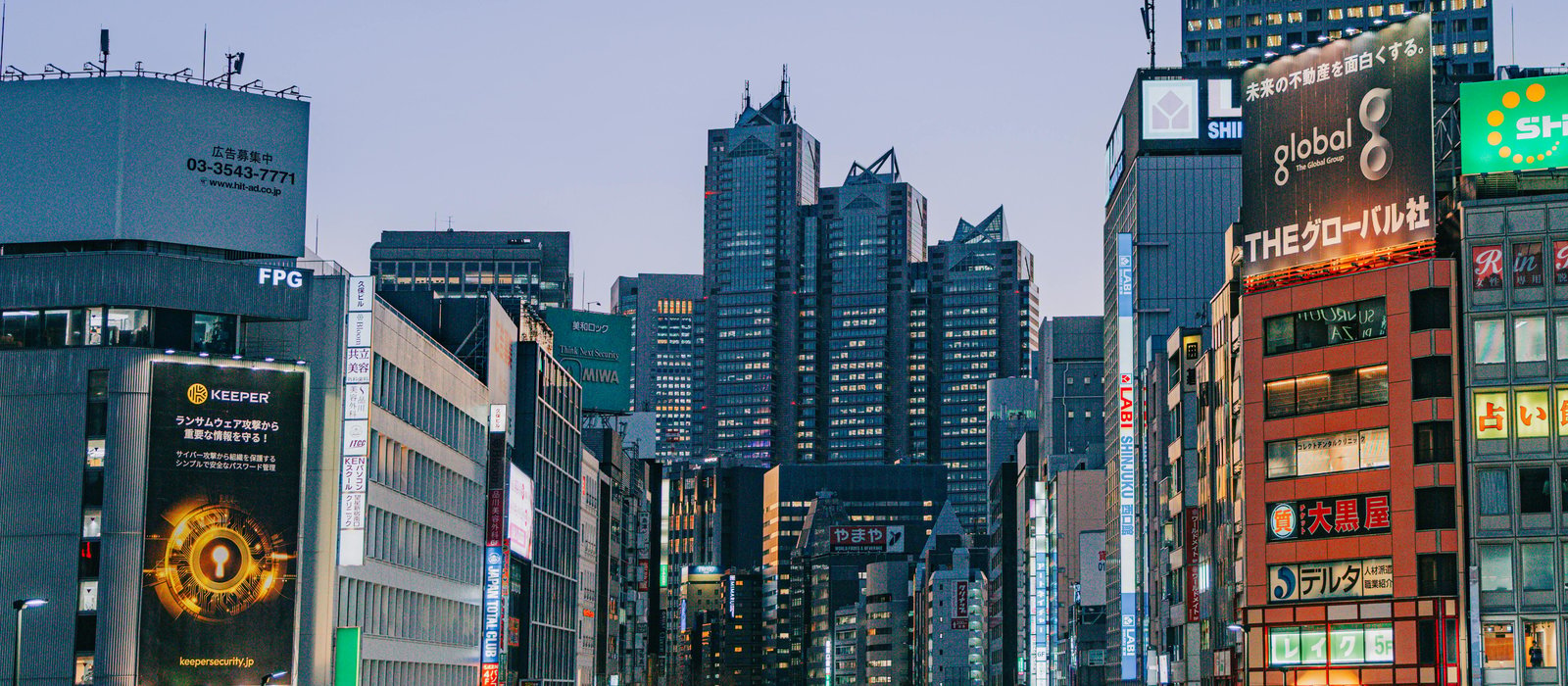
Shinjuku is Tokyo at its most concentrated — a district that crams together neon nightlife, vast shopping, skyscrapers, and a beautiful park, all around one of the world's busiest train stations. It can be dizzying, so here's how to navigate it and what not to miss.
Unlike Asakusa's old-Tokyo character or Shibuya's youth-fashion pull, Shinjuku doesn't have a single identity — it's several districts stacked on top of each other, split cleanly by the station itself. That split is the easiest way to hold the area in your head: government towers and hotels to the west, department stores and daytime shopping to the east, and the nightlife strip of Kabukicho and Golden Gai just beyond that.
The station (don't panic)
Shinjuku Station is enormous and famously confusing — over 200 exits across a sprawling underground maze that connects JR lines, Tokyo Metro, and several private railways. The trick: know which exit you need before you arrive (follow signs to landmarks or compass directions — East Exit for Kabukicho and the department stores, South Exit for the bus terminal and newer developments, West Exit for the skyscraper district), and don't be afraid to just surface and reorient if you get turned around underground. Once outside, the district itself is entirely walkable and far less intimidating than the station beneath it.
What to do
- Shinjuku Gyoen: one of Tokyo's loveliest parks, a genuinely serene escape with French, English, and Japanese formal gardens — gorgeous in cherry blossom season (late March–early April) and worth the small entry fee any time of year. Arrive early on weekends to beat the crowds.
- Omoide Yokocho ("Memory Lane"): atmospheric lantern-lit alleys of tiny eateries and bars, most seating just a handful of people at a time — perfect for an early evening of yakitori and a beer before the crowds peak.
- Golden Gai: a warren of minuscule themed bars, a Tokyo nightlife institution — many welcome visitors, some don't, and cover charges are common; a little research on a specific bar before you go smooths the experience.
- Kabukicho: the big, brash entertainment district next to Golden Gai — vibrant and intense at night, with the giant illuminated Godzilla head over the Toho building as its unofficial mascot.
- Skyscraper district & observation decks: the west side's cluster of towers includes free city views from government building observatories — a real money-saver next to paid options elsewhere in Tokyo.
- Shopping: huge department stores (Isetan is the standout for its basement food hall alone), electronics megastores, and endless retail radiating out from every station exit.
Where it fits in your trip
Shinjuku is a top choice for where to book a hotel thanks to its transport links and all-in-one convenience — nearly every train line in Tokyo touches it, which matters more than almost anything else when you're basing a short trip in one spot. (This article contains affiliate links — if you book through them we earn a small commission at no extra cost to you.) It's also a top choice to go out at night. By day it's strong for shopping and the park; by night it's the heart of Tokyo nightlife. Many travelers pass through its station constantly regardless of where they stay, simply because so many connections run through it.
Eating in Shinjuku
Beyond Omoide Yokocho's yakitori stalls, Shinjuku rewards a little food planning: the basement food halls (depachika) under Isetan and the other department stores sell restaurant-quality bento and desserts for a fraction of a sit-down meal, ideal for a park picnic at Gyoen. Ramen options cluster around the East Exit, and Golden Gai's bars often serve a simple food menu alongside drinks if you want to combine the two. For a sit-down meal with a view, several of the skyscraper hotels on the west side have restaurant floors open to non-guests — a good option if you want Shinjuku's energy from a quieter vantage point.
Getting to and from Shinjuku
Shinjuku sits on the JR Yamanote loop line, so it connects directly to Tokyo Station, Shibuya, Ueno, and most of the city's other major hubs without a transfer — one of the reasons it works so well as a base. It's also the departure point for several long-distance highway buses, and the Narita Express runs directly here from Narita Airport (about 80 minutes), making Shinjuku one of the more convenient bases if you're flying into Narita rather than Haneda.
Practical tips
- Use station lockers or your hotel to avoid hauling shopping around all day — Shinjuku's stores are numerous enough that bag fatigue sets in fast.
- Trains stop running around midnight — plan your night accordingly, or budget for a taxi back if you're out late in Kabukicho or Golden Gai.
- In Kabukicho at night, ignore touts offering to lead you to a bar or club — stick to venues you researched or found yourself.
- The west side is skyscrapers and calm; the east side is shopping and nightlife — a useful mental map when you're deciding which direction to walk out of the station.
Bottom line
Shinjuku rewards a bit of fearlessness — embrace the energy, pick a couple of targets (the park by day, the alleys by night), and don't let the giant station intimidate you. It's Tokyo's beating heart and an essential part of the city, whether you base yourself here or just pass through.