Tokyo is arguably the world's greatest food city — it has 160 Michelin-starred restaurants as of the 2026 guide, more than any other city on earth (Paris is second, with well under half that number), a crown it's held for over 15 years running, alongside countless humble noodle counters and izakaya, with extraordinary eating at every single price point. For visitors, the only real challenge is narrowing it down. Here's where to eat in Tokyo and the food experiences not to miss.
Tsukiji Outer Market
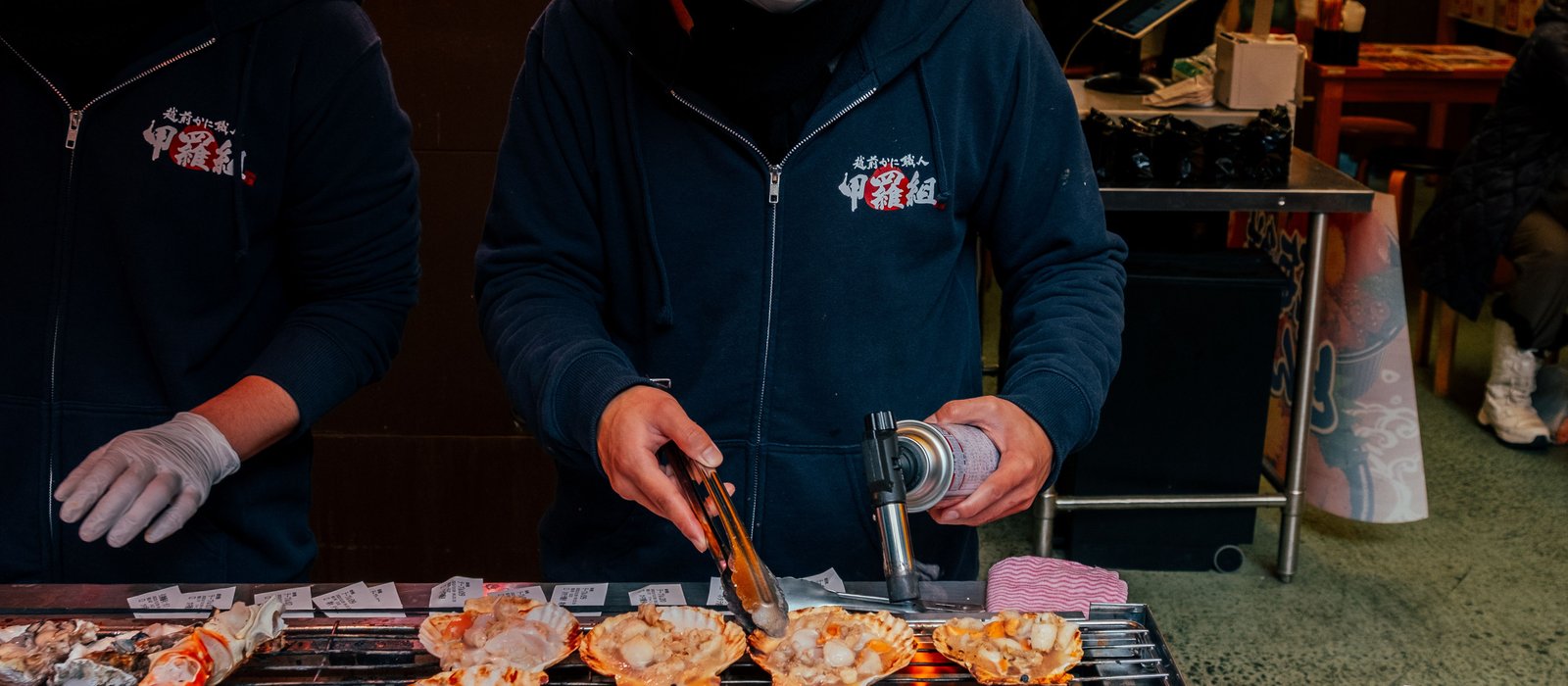
The Tsukiji Outer Market is a must for food lovers — a dense warren of stalls and small eateries serving fresh seafood, sushi, grilled skewers, tamagoyaki (sweet rolled omelette), street snacks, and kitchen goods. Go in the morning for the freshest experience and a memorable seafood breakfast or early lunch (many stalls wind down by early afternoon). Even though the famous inner wholesale market relocated to Toyosu, the outer market remains one of Tokyo's great food destinations and a feast for the senses, and the two are an easy pairing if you want to see the working auction side as well.
Best areas for dining
- Shinjuku: everything from the atmospheric lantern-lit alley eateries of Omoide Yokocho to high-end restaurants, ramen shops, and countless izakaya. A top all-round dining district for any budget.
- Shibuya: trendy restaurants, izakaya, and cafes popular with a younger crowd, plus food halls in the newer towers.
- Ginza: upscale dining, revered sushi counters, refined tempura and kaiseki, and lavish department store food halls — the place to splurge.
- Asakusa: traditional eats, old-style restaurants, and street snacks around Senso-ji and the Nakamise arcade.
- Ebisu and Nakameguro: known among locals for excellent restaurants and a stylish, lower-key, grown-up scene away from the biggest tourist crowds — worth the detour if you've already covered the headline neighborhoods on an earlier day.
Food experiences to seek out
- Izakaya hopping: the quintessential Tokyo night — small plates and drinks across a few Japanese pubs, especially in alley districts like Omoide Yokocho.
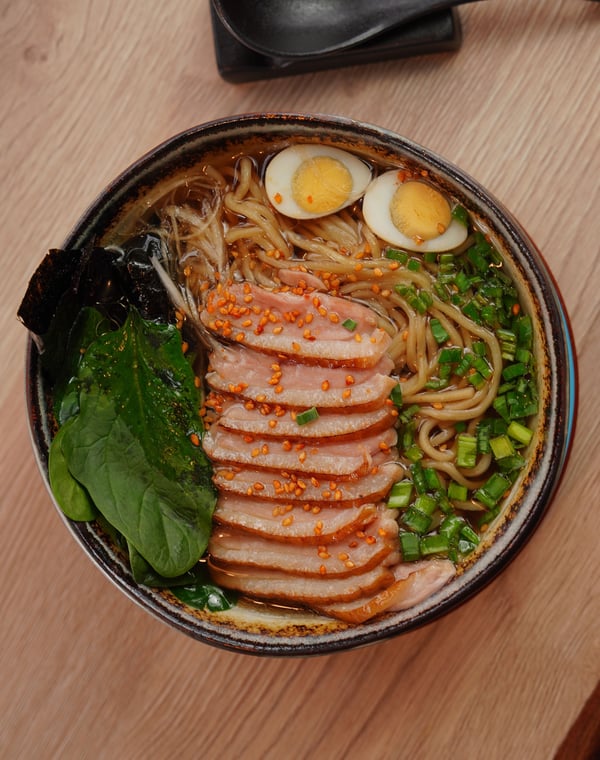
- Ramen: Tokyo has countless famous shops; try a classic clear shoyu bowl or hunt down a specialty spot (tsukemen, tonkotsu, and more) using a ticket machine.
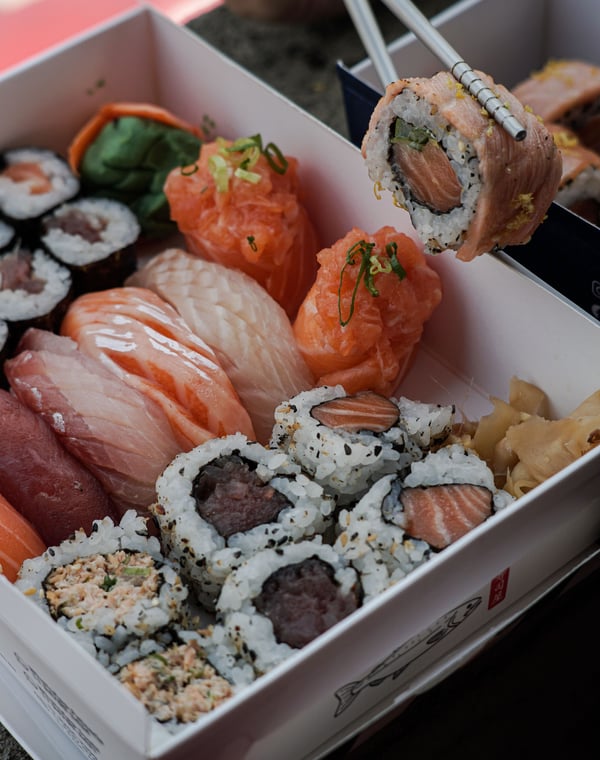
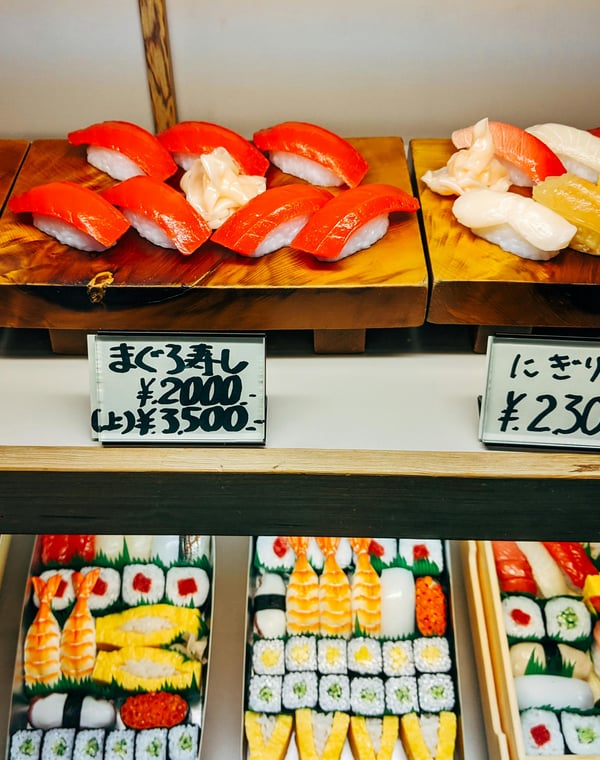
- Sushi: the full range, from fun, affordable conveyor-belt spots to a special-occasion omakase counter.
- Depachika: the dazzling basement food halls of department stores, packed with gourmet takeaway, bento, and beautiful sweets — perfect for assembling a picnic or sampling widely, and a genuinely underrated way to eat well without a reservation or a wait.
- Themed cafes, dessert spots, and tiny specialist counters: a fun, only-in-Tokyo novelty for a break between sights.
Tips for eating in Tokyo
- Many of the best small restaurants seat only a handful of people — be ready to queue, go off-peak, or look for a nearby alternative.
- Lunch sets at nice restaurants offer outstanding value compared to their dinner prices — a smart way to try a high-end kitchen affordably, since many kitchens serve nearly the same quality at midday for a fraction of the evening tasting-menu cost.
- Look for places specializing in one dish — they usually do that one thing superbly.
- Carry cash for tiny spots; izakaya may add a small seating charge (otoshi).
- No tipping, ever.
Why the star count doesn't mean what you'd think
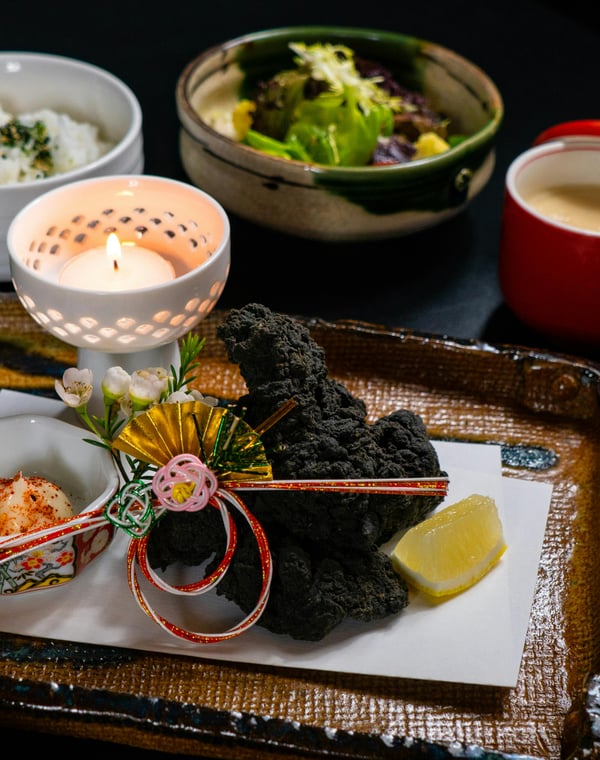
The 160-restaurant figure is genuinely useful context, but it doesn't translate directly into "book a starred restaurant every night" — most of Tokyo's Michelin-starred spots are tiny, counter-seating operations with 8-15 seats, reservations that fill up months out, and a business-trip-per-course price tag. The more practical takeaway is what it says about the depth of the whole scene: a city with that many restaurants meeting that bar also has an enormous tier of unstarred places operating at a similarly serious level, which is really where a visiting first-timer eats best day to day.
Booking and tours
For high-end or very popular restaurants, reservations help and some require them well in advance (occasionally only bookable via a hotel concierge, a Japanese phone number, or a specific online system) — the most famous sushi counters can book out months ahead, so if one is a priority, sort it before you finalize the rest of your trip. Food tours — through markets, izakaya districts, or street-food areas — are a great way for first-timers to eat well, access hidden spots, and learn the ropes, and are worth booking in advance.
Bottom line
From a market seafood breakfast to izakaya small plates to a once-in-a-lifetime sushi counter, Tokyo delivers world-class food everywhere you turn, at every budget. Pick a district, follow your appetite, lean on lunch sets to eat high-end affordably, and don't be afraid of the tiny specialist spots and queues — that's where the real magic so often is, and no star rating required to find it.