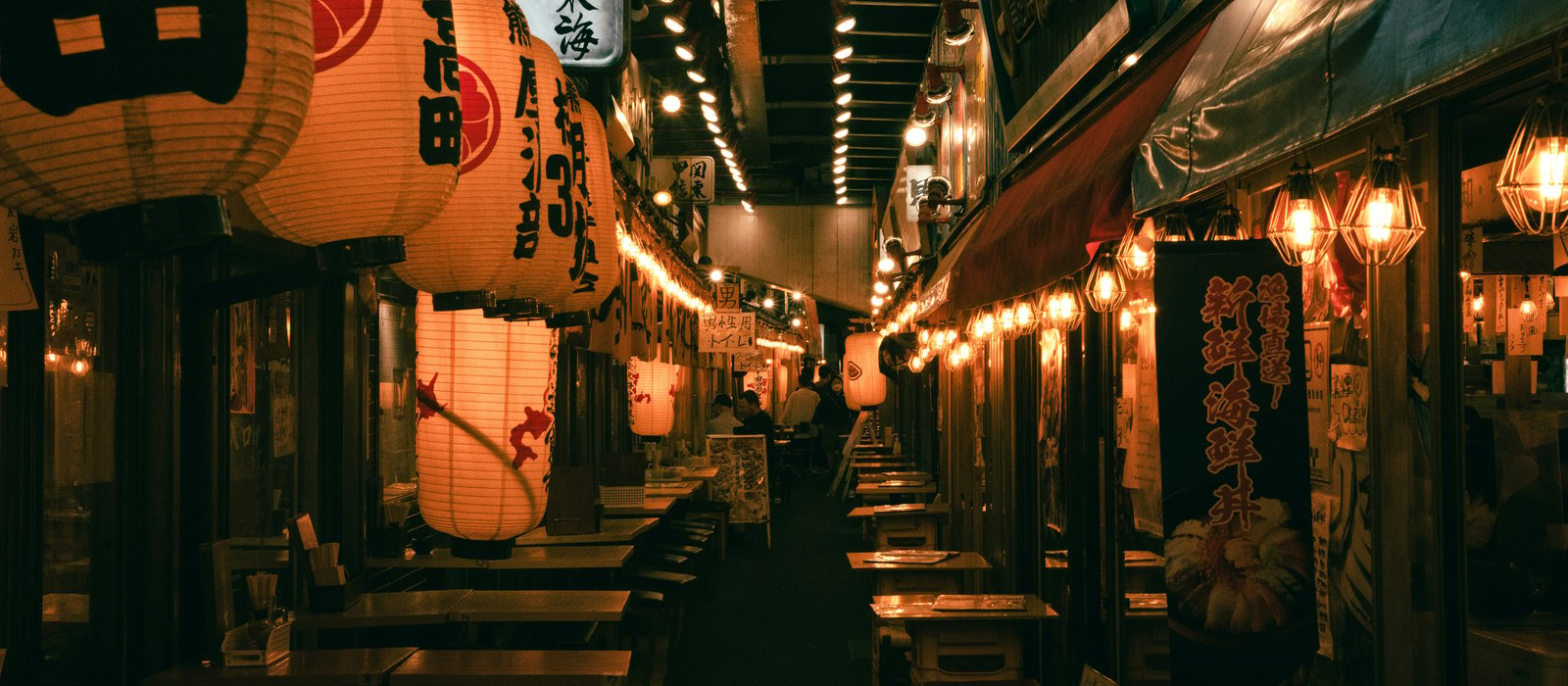
The izakaya is one of the best and most authentic ways to eat and drink in Japan — a casual Japanese pub serving an array of small, shareable plates alongside beer, sake, and other drinks, in a lively, convivial atmosphere. It's where locals unwind after work, and where some of your most memorable, genuinely sociable evenings in Japan will happen. Here's how izakaya work and how to make the most of one as a visitor.
What an izakaya is
Think of an izakaya as a Japanese gastropub or tapas bar: rather than ordering a single main course, you order a series of small dishes to share over drinks, grazing and ordering more as the evening unfolds. The vibe is relaxed and social — ideal for groups, couples, or a solo diner perched at the counter. They range from cheap, cheerful chains to refined specialist spots focused on, say, yakitori or sake, and they're a cornerstone of everyday Japanese social life.
How it works
- You'll usually be seated and given a hot or cold towel (oshibori) and a menu (often with pictures).
- An otoshi — a small appetizer you didn't order — is typically served to each person; it's a normal seating/cover charge of a few hundred yen, not a scam or a mistake.
- Order a drink first (it's customary to start with a drink — usually beer — while you look at the menu), then a few dishes to begin.
- Order in rounds as you go, rather than everything at once — that steady rhythm is the whole point of an izakaya.
- Use the call button on the table if present, or a polite "sumimasen," to summon staff.
What to order
- Yakitori: grilled chicken skewers (many cuts), the classic izakaya staple.
- Edamame: salted boiled soybeans, the traditional starter.
- Karaage: juicy Japanese fried chicken.
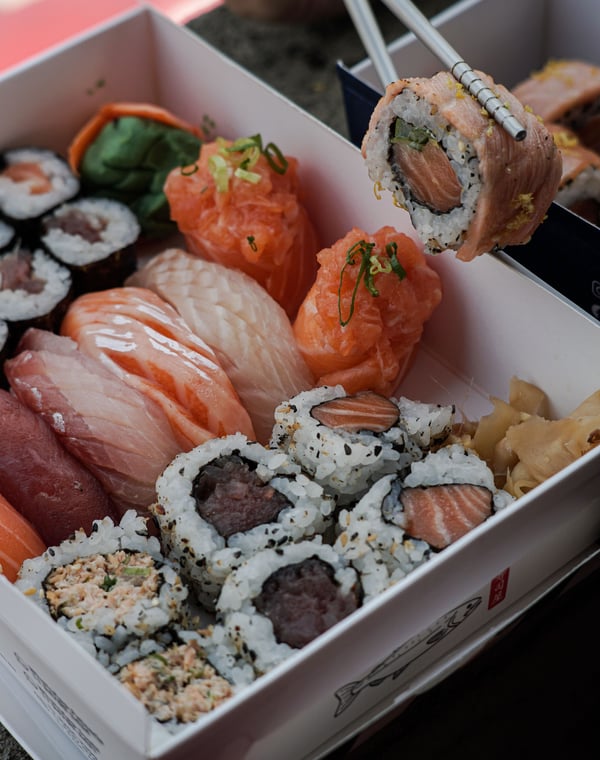
- Sashimi: fresh raw fish, often excellent and well-priced.
- Gyoza: pan-fried dumplings, crisp-bottomed.
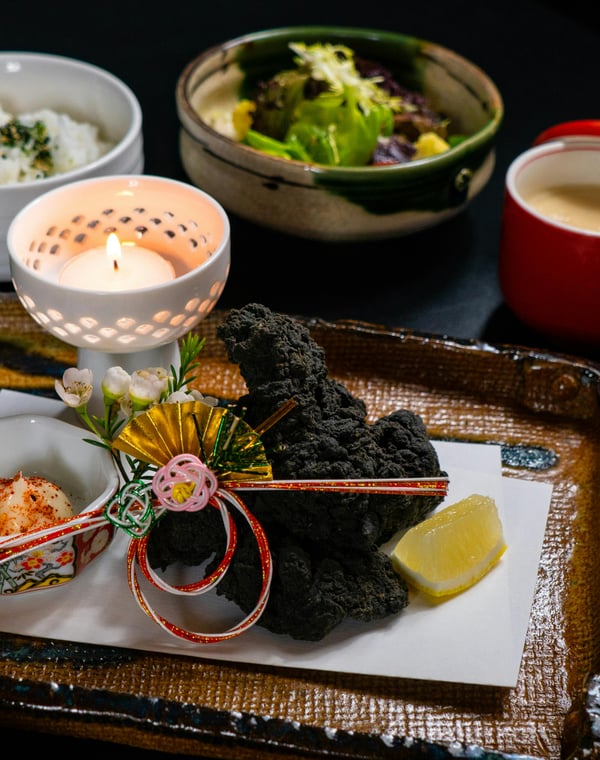
- Agedashi tofu, grilled fish, pickles, potato salad, fries, and seasonal specials — share a variety across the table.
Drinks
Start with a beer ("nama biru" for draft) or branch out to sake, shochu, a highball (whisky and soda, hugely popular), or chu-hai (fruity, light, easy-drinking). It's polite to pour for others and let them pour for you, rather than filling your own glass. Kick things off with a group "kanpai!" (cheers). Many izakaya offer nomihodai — all-you-can-drink for a set time and price — which can be great value for a group settling in for the night.
Etiquette and tips
- The otoshi charge is completely normal — don't be surprised or feel you've been overcharged.
- No tipping — the bill is the bill.
- Older establishments can be smoky, though smoking rules have tightened in recent years; many places are now non-smoking or have separate areas.
- Pay at the counter or table depending on the place; carry cash, as smaller izakaya may not take cards.
- Slurping, laughter, and lively conversation are all fine — it's a relaxed, noisy, happy setting, not a hushed one.
- Order steadily through the evening rather than all upfront; staying a while is expected.
Where the word comes from
The word itself explains the format: "i" means "to stay," "saka" means sake, and "ya" means shop — literally "a place to stay and drink." Sake shops around the 18th century started letting standing customers sit on barrels rather than drink and leave, then began serving simmered snacks alongside the alcohol; within decades that combination had become its own recognized type of establishment, and Edo-era Tokyo alone had well over a thousand of them. The grazing, stay-a-while format you'll experience tonight is directly descended from that 250-year-old shift from a shop you passed through to a place you settled into.
Finding a good one
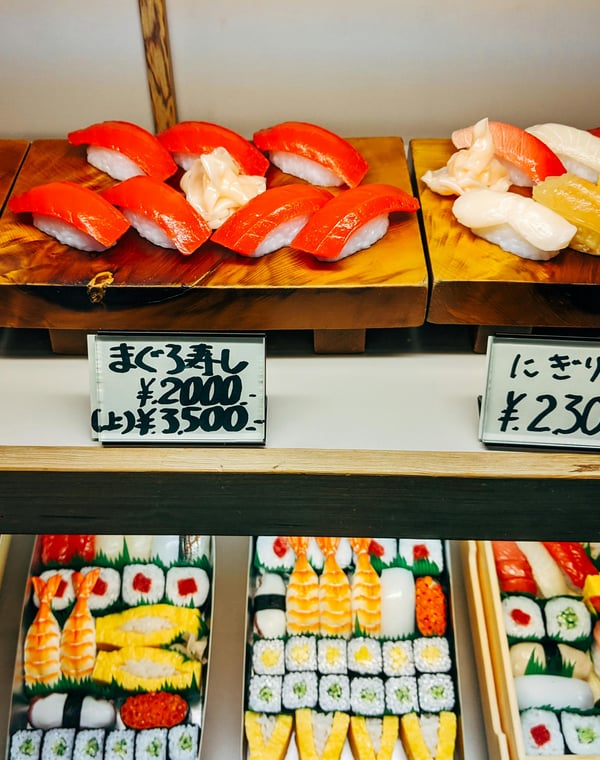
Izakaya cluster in nightlife and station areas. Look for busy spots full of locals, picture menus in the window, or the red paper lanterns (akachochin) that traditionally mark an izakaya. Atmospheric alley districts — like Tokyo's Omoide Yokocho and Golden Gai, or the lanes around any major station — are packed with tiny, characterful ones, each seating just a handful of people. When in doubt, a place that's busy with locals is almost always a good sign. Don't be put off by a tiny, unmarked spot with only six counter seats; those are very often the best ones in the neighborhood, not a warning sign.
Bottom line
An evening at an izakaya — sharing small plates, clinking glasses, pouring for your companions, and soaking up the buzz — is one of the most enjoyable and authentic experiences Japan offers. Order a drink first, graze through dishes in rounds, embrace the otoshi, toast with a hearty "kanpai," and settle in for a great night out.