Tokyo is served by two international airports — Narita (NRT) and Haneda (HND) — and which one you fly into meaningfully affects your first hour in Japan. If you have a choice when booking, here's how they compare on location, transfer time, cost, and convenience, so you can decide what matters most for your trip.
The key difference: location
The single biggest distinction is distance from central Tokyo:
- Haneda is much closer to central Tokyo (it's within the city's southern edge), so the transfer is shorter, cheaper, and quicker — roughly 30 minutes to central areas by train.
- Narita sits well outside the city, in neighboring Chiba Prefecture, so the transfer takes longer — roughly 60–90 minutes — and typically costs more.
All else being equal, Haneda is the more convenient arrival for a Tokyo-based trip, getting you to your hotel faster and fresher after a long flight.
Getting into the city from each
Haneda
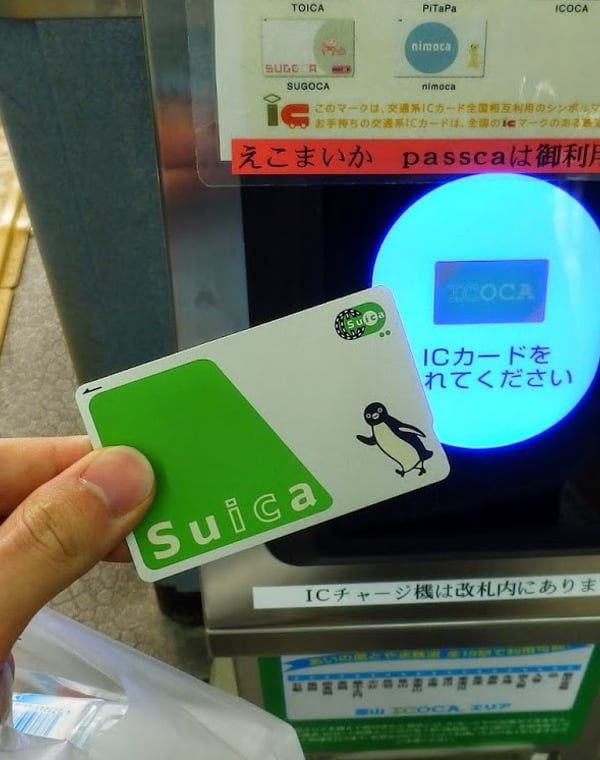
Quick, affordable rail options carry you in: the Tokyo Monorail (connecting to the JR Yamanote loop at Hamamatsucho) and the Keikyu Line (running toward Shinagawa and onward into the network). Both are fast and inexpensive, and your IC card works on them. Haneda's proximity also makes a taxi or rideshare merely expensive rather than astronomical, useful if you arrive exhausted.
Narita
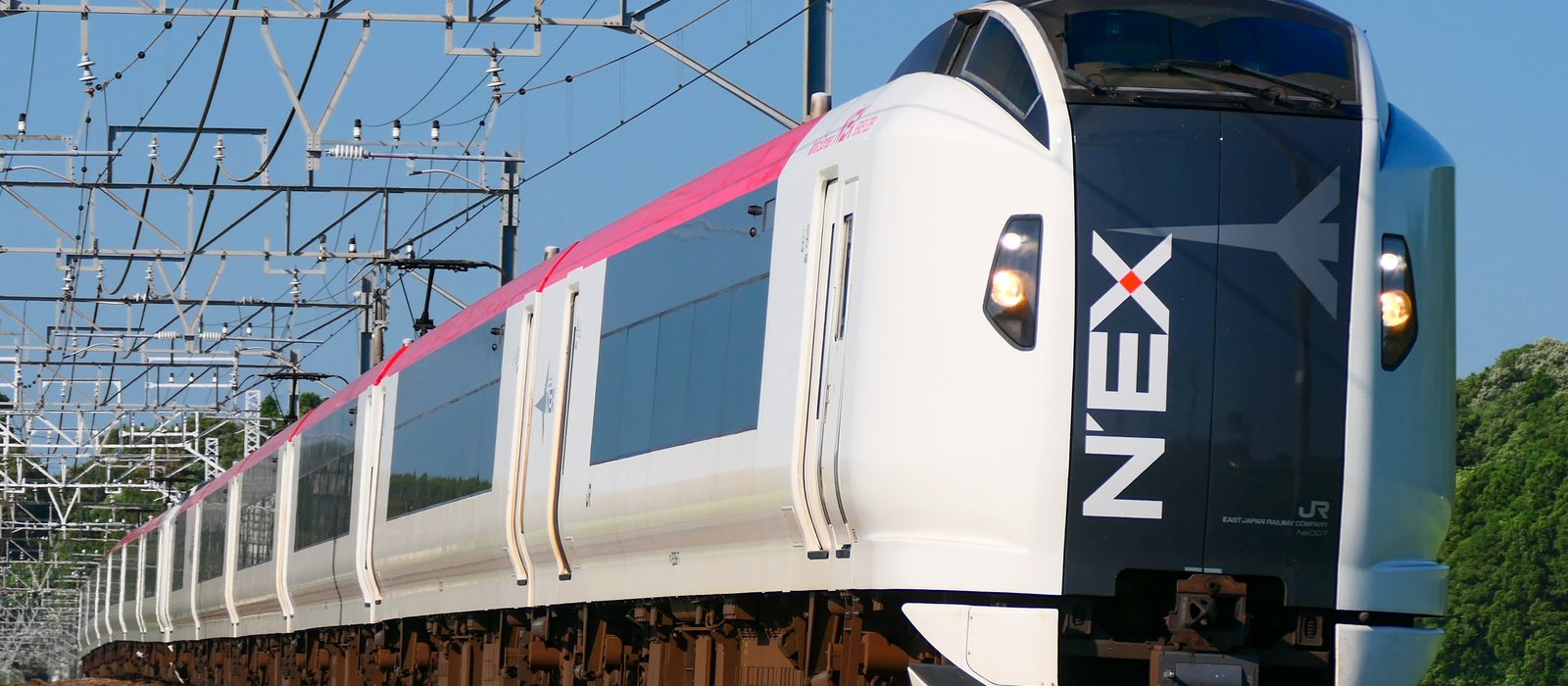
The Narita Express (N'EX) is a comfortable JR limited express running directly to major hubs like Tokyo, Shinjuku, and Shibuya stations, while the Keisei Skyliner is a fast train to Ueno and Nippori on the city's east side (handy for the Asakusa area). Both are comfortable and efficient; there are also cheaper, slower local trains and direct limousine buses to many hotels. A straight taxi from Narita is very expensive given the distance and best avoided.
Why Tokyo has two airports
Haneda was Tokyo's original airport, but it outgrew its capacity for international flights by the 1970s, which pushed Japan to build Narita further out in Chiba. For decades Narita handled almost all international traffic while Haneda stayed mostly domestic. That's changed significantly since Haneda added international terminal capacity in 2010 and expanded further since — it now handles a large and growing share of international flights, especially to the US, which is why the choice between the two matters more than it used to for American travelers.
Other considerations
- Flight availability and price: route and fare options sometimes favor one airport — don't assume Haneda is always available or cheaper for the flight itself; compare both, as the flight price difference can outweigh the transfer savings.
- Where you're staying: match the airport's transfer routes to your hotel's location — the Skyliner is handy for the Ueno/Asakusa side, while Haneda's lines suit the southern and central areas well.
- Arrival time: a late-night arrival into distant Narita can mean a long, tired journey or a missed last train, whereas Haneda's closeness is more forgiving.
- Onward travel: if you're heading straight to the Kyoto/Osaka side, consider whether flying into Kansai (KIX) makes more sense than Tokyo at all.
- Both airports are clean, efficient, well signed in English, and have good facilities (IC card machines, SIM/WiFi counters, ATMs).
- Terminal matters too: Haneda's Terminal 3 handles most international flights, including the US carriers and most JAL/ANA international routes, while Terminals 1 and 2 are mainly domestic (ANA now runs some international flights from Terminal 2 as well) — double-check which terminal your connecting flight uses if you have a same-day domestic-to-international transfer, since free shuttle buses connect the terminals but still take time.
So which is better?
For a Tokyo-focused trip, Haneda's proximity makes it the more convenient choice if it fits your flight schedule and budget — you'll be at your hotel in about half the time. But Narita is perfectly fine; it just means a longer, slightly pricier transfer, easily handled by the N'EX, Skyliner, or a bus. The best airport ultimately depends on your flight options, price, and where you're staying, so weigh the genuine convenience of Haneda against the actual flights and fares available to you.
Practical tips
- Factor the transfer time and cost into your flight comparison, not just the ticket price.
- Note your arrival time and check last-train times, especially for Narita.
- Get your IC card and mobile data sorted on arrival at either airport before heading in.
- Consider an open-jaw ticket (e.g. into Haneda/Narita, out of Kansai) if your trip ends on the Kyoto/Osaka side.
- Remember the airport express trains (N'EX, Skyliner) need their own ticket beyond the IC card.
Bottom line
Haneda wins on convenience thanks to its closeness to central Tokyo, while Narita is a perfectly solid option with easy, comfortable train and bus links despite the longer transfer. Compare your actual flight choices and where you're staying, factor in the transfer time and cost, and pick the one that gets you settled fastest and most affordably.