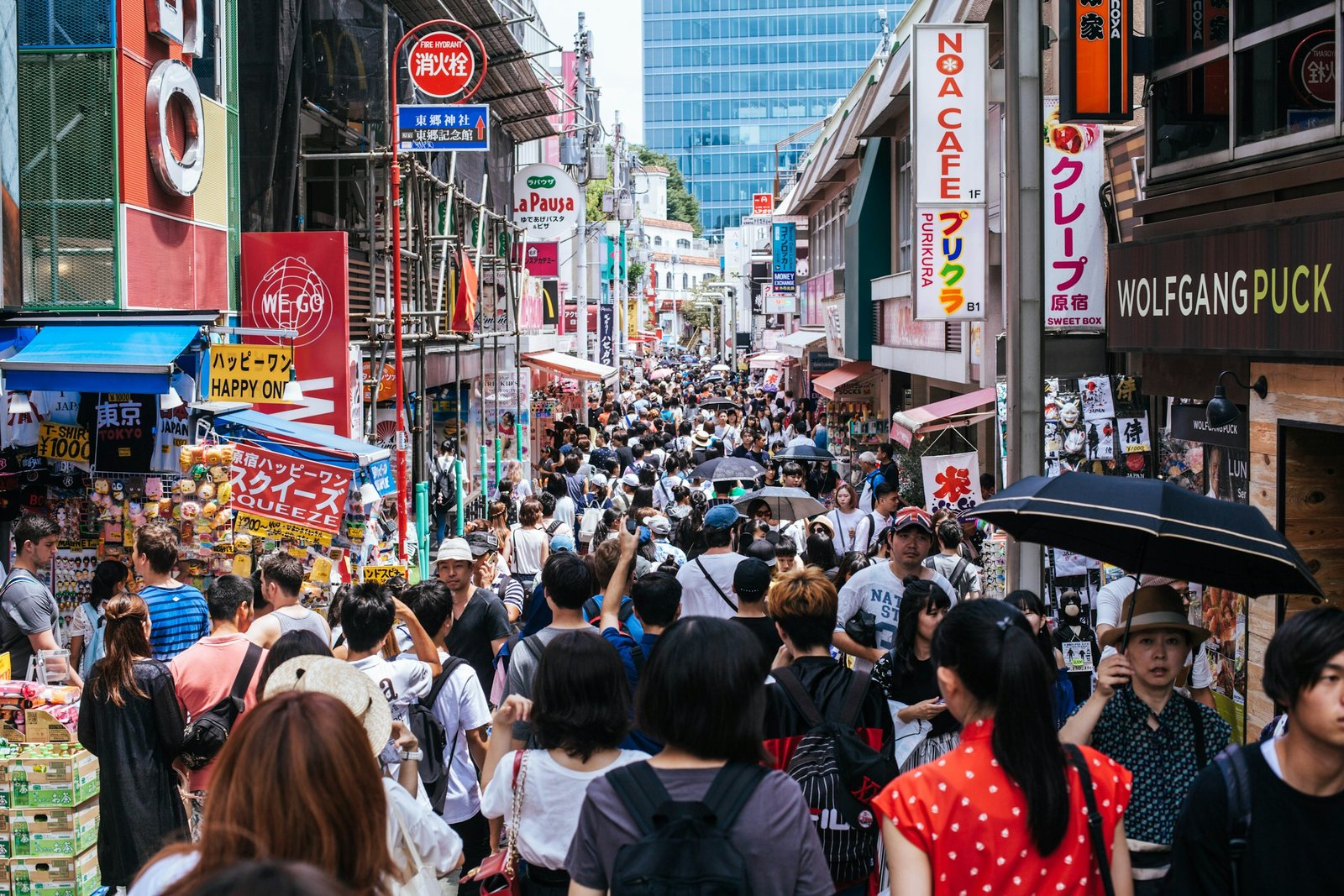
Golden Week is the cluster of public holidays at the turn of April into May, and it is the period most often flagged as one to avoid. That advice is broadly right but rarely explained, which leaves travellers either cancelling a workable trip or walking into a week they were not prepared for. Here is what actually closes, what is simply full, and what to do if your dates are fixed.
Which days Golden Week actually covers
Golden Week is built from four national holidays: Showa Day on 29 April, Constitution Day on 3 May, Greenery Day on 4 May and Children's Day on 5 May. Those four dates are fixed in law. How long the resulting run of days lasts is not fixed — it depends entirely on which weekdays those dates land on in a given year.
Why the length changes every year
Japan applies a substitute holiday rule: when a national holiday falls on a Sunday, the next weekday that is not already a holiday becomes a holiday instead. A single working day sandwiched between two holidays also becomes one. In some years those rules knit the whole stretch from 29 April into a continuous break; in others the run is broken by two ordinary working days in the middle.
The practical instruction is to check the actual dates for your year rather than trusting any article that quotes a fixed span. The holidays are stable; the shape of the week is not.
What genuinely closes
Closures during Golden Week are narrower than most travellers expect. Major museums, big temples and shrines, department stores, and the large restaurant groups stay open and are extremely busy. What closes is the smaller layer: family-run restaurants, independent shops, small workshops and some local businesses, which take the break precisely because everyone else is off.
Government offices and banks close on the holidays themselves. That matters less than it once did, but it is worth not scheduling anything administrative into the week.
What it does to prices and seats
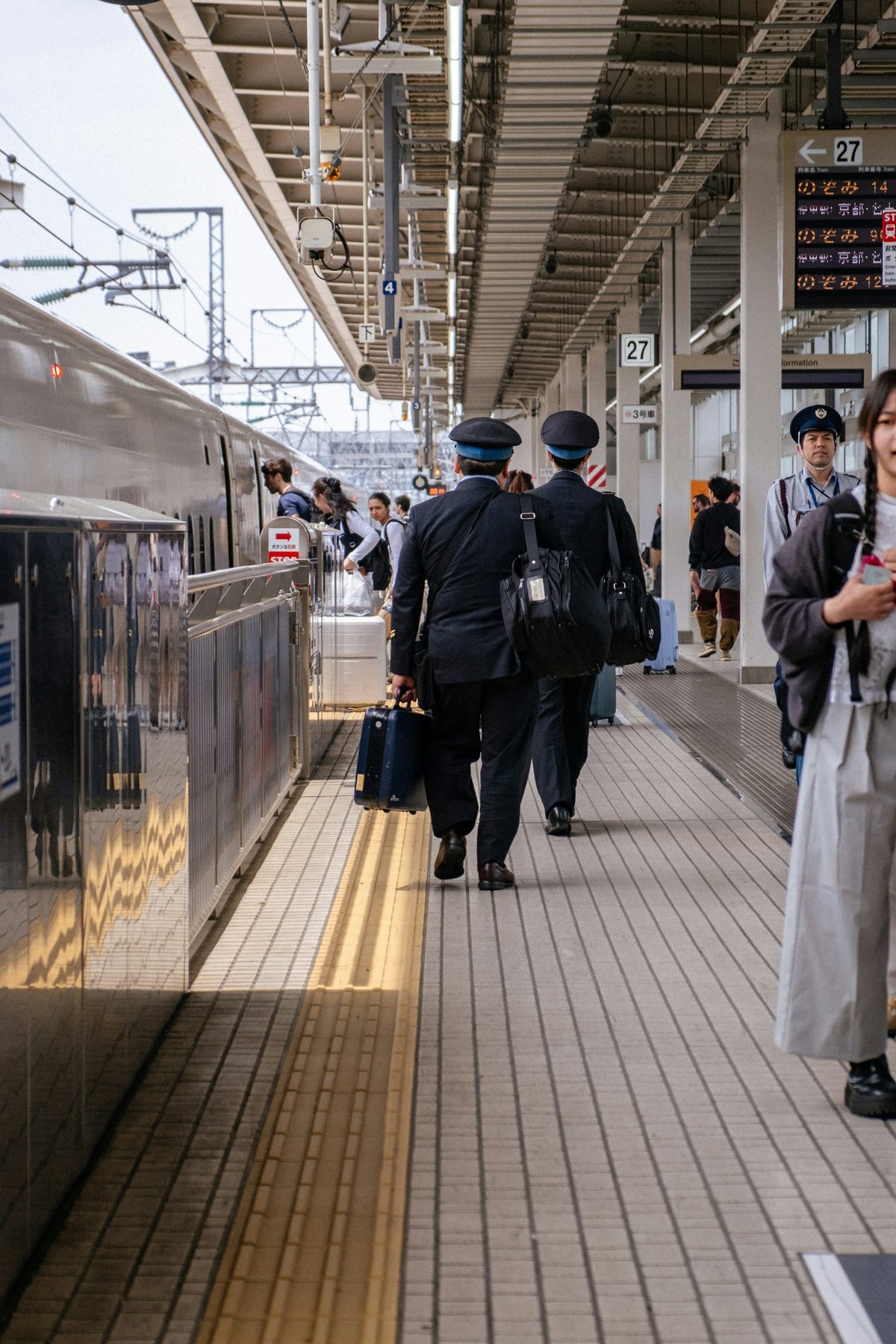
Golden Week moves the entire country at once, and the effect on transport and lodging is the real reason to plan around it. Reserved seats on the fast trains sell out well in advance on the main corridors, domestic flights fill, and accommodation prices in the popular cities rise sharply for the same rooms you could have had cheaply a fortnight earlier.
The part that surprises Americans
This is domestic travel, not international tourism. The crowds are Japanese families going home or taking their one reliable block of annual leave, which means the pressure lands hardest on routes and towns that are otherwise quiet. A rural hot-spring town can be harder to book than Tokyo.
It also means the crowding is front-loaded and back-loaded: the heaviest movement is at the start and end of the run, and the middle days are calmer in transit even while the sights stay packed.
Which days inside the run are worst
Pressure during Golden Week is not evenly spread across the days. The heaviest movement falls at the two ends — the outbound surge as the run begins and the return surge as it closes — because that is when the entire working population is travelling in the same direction at the same time.
The middle days behave differently. Transport eases because most people have already arrived where they are going, while the sights themselves stay packed. For a visitor who has to be in Japan during the run, that asymmetry is the single most useful thing to know: move at the middle, sit still at the ends.
The administrative detail
Banks and government offices close on the holidays themselves, and anything requiring a counter and a human becomes difficult across the run. It matters less than it used to, but it is worth handling anything administrative before the week begins rather than assuming a quiet Tuesday will be available.
What the week is like if you stay
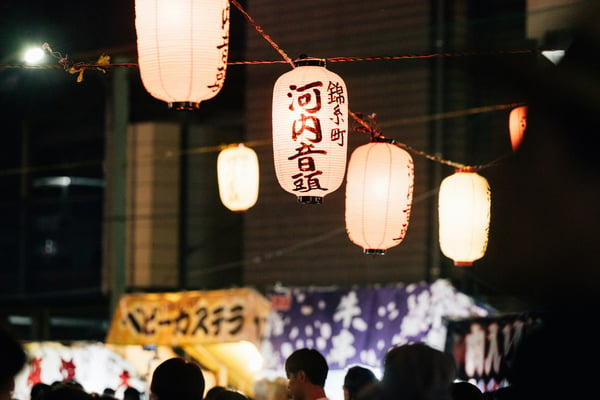
Golden Week in Tokyo or Kyoto is not a write-off, and travellers who have been through it often report it as one of the more memorable stretches of a trip. Parks fill with families, temporary food stalls appear, and the ordinary rhythm of the cities gives way to something closer to a national festival. The crowds are good-natured rather than fraught, and the atmosphere is genuinely different from any other week of the year.
If your dates cannot move
A Golden Week trip is entirely workable if you accept two constraints. Book everything early — rooms and any reserved long-distance seats, months ahead rather than weeks. And stay put: this is the wrong week to be relocating between cities every second day, because the moving is where the pain concentrates.
Pick one base, use it properly, and take the pressure off by going out early. A city like Tokyo absorbs crowds far better than a small temple town does, simply because there is more of it. The same logic applies to choosing sights: the enormous, famous ones cope; the small, perfect ones do not.
What the timing decision is attached to
Golden Week, built on four fixed holidays between 29 April and 5 May, does not just make Japan busy — it changes what kind of trip is possible. It pushes you toward fewer bases, earlier commitment, bigger cities and larger sights, and it does that whether or not you planned for any of it. The same is true of the August holiday period and, in a different way, of blossom season.
Each of those is usually treated as a separate warning in a separate article. They are really one decision about when to come, which then reshapes the routing, the bases and the booking order underneath it. Working out that chain in advance, rather than discovering it in sequence, is what the complete Japan trip guide sets out to do.