Osaka is known as "the nation's kitchen" (tenka no daidokoro) — a nickname that dates to the Edo period, when feudal domains across Japan shipped their rice and regional specialties here to be traded and distributed nationwide, making the city Japan's commercial food hub centuries before it became a tourist one. For many travelers today, eating is the entire reason to visit. Its food is hearty, casual, unpretentious, and gloriously street-focused, summed up perfectly by the local word kuidaore — to eat yourself into ruin. Here's what to eat in Osaka, where to find it, and how to pace an evening of it properly.
Takoyaki
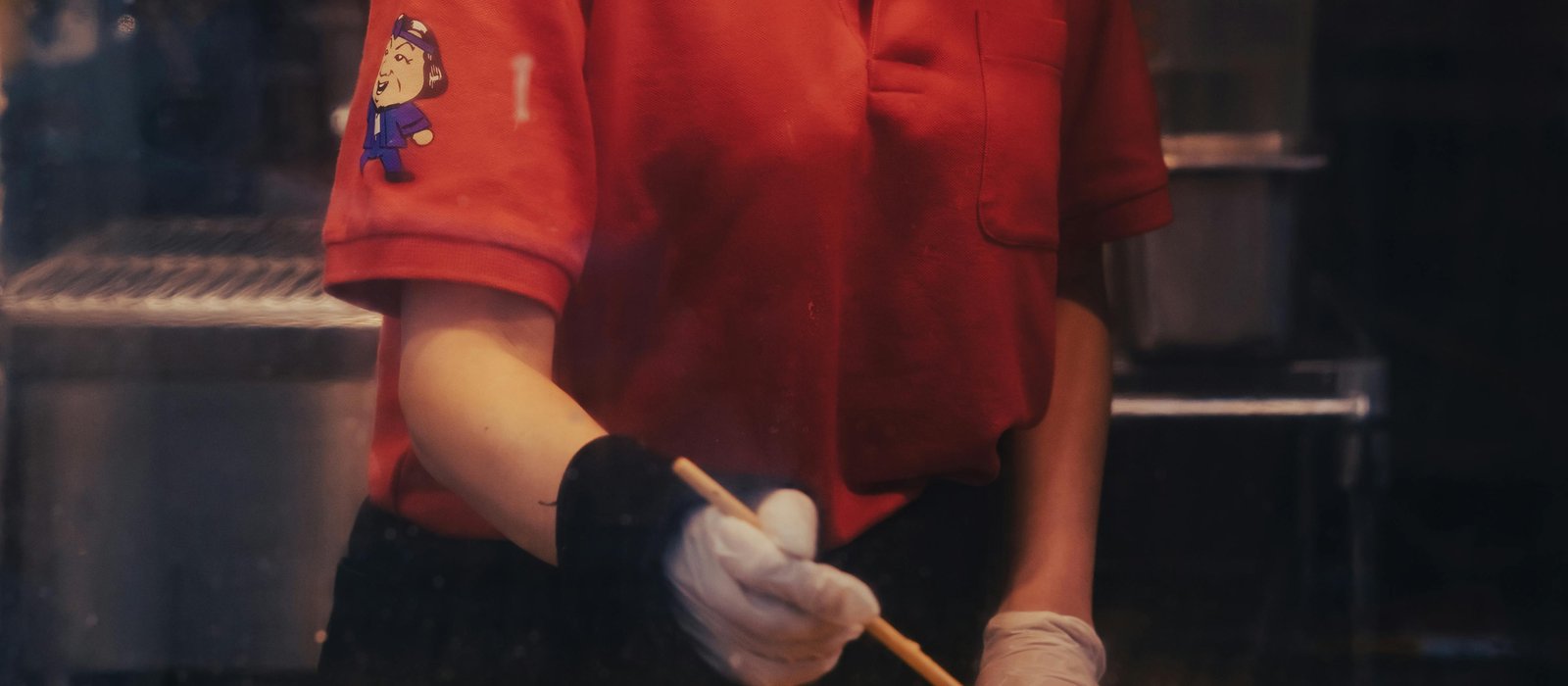
Takoyaki are Osaka's iconic street snack — ball-shaped batter dumplings with a piece of octopus inside, cooked in special dimpled iron pans and flipped with picks until crisp outside and molten within, then topped with savory takoyaki sauce, mayo, dried bonito flakes, and seaweed. Watching them made at speed and eating them piping hot (careful — the center is lava) is an essential Osaka experience. Find them all over Dotonbori and the street-food areas, though the queues at the most famous stalls can run long during peak dinner hours — a slightly less famous stand a block away is often just as good.
Okonomiyaki
Okonomiyaki is a savory pancake of batter and shredded cabbage mixed with ingredients like pork, seafood, or cheese, grilled and topped with sauce, mayo, bonito flakes, and seaweed. The name means "grilled as you like it." Osaka style mixes everything together into the batter before grilling (versus Hiroshima's layered, noodle-included version). It's often cooked on a griddle (teppan) right at your table — fun, interactive, and filling enough to count as a full meal on its own.
Kushikatsu
Kushikatsu are skewers of meat, seafood, and vegetables, breaded and deep-fried, served with a communal pot of dipping sauce. The golden, strictly enforced, famously posted rule: no double-dipping in the shared sauce (dip once before your first bite, and use the provided raw cabbage to scoop extra sauce if you want more). They're a specialty of the retro Shinsekai district — a neighborhood that leaned into a nostalgic, slightly kitschy postwar aesthetic decades ago and has stayed that way ever since — and a great cheap, casual meal; order a few skewers at a time and keep ordering as long as you're still hungry.
More Osaka eats
- Kitsune udon: udon noodles topped with sweet fried tofu, said to have Osaka origins.
- Yakiniku: grilled meat you cook yourself — Osaka has many excellent, affordable spots.
- Horumon: grilled offal, a local favorite for the adventurous.
- Kushikatsu and doteyaki (miso-simmered beef tendon) in the old-school Shinsekai eateries.
- Fresh seafood and snacks at Kuromon Market.
- Negiyaki: a lighter, scallion-heavy cousin of okonomiyaki, worth seeking out if you want the same idea in a less filling portion.
Where to eat
- Dotonbori: the neon street-food heart along the canal — takoyaki, okonomiyaki, and endless eats, best at night.
- Shinsekai: the retro district famous for kushikatsu and an old-Osaka atmosphere.
- Kuromon Ichiba Market: "Osaka's kitchen," a covered market for fresh seafood, grilled skewers, fruit, and stalls.
- Namba and Shinsaibashi: packed with restaurants of every kind, plus the covered shopping arcade.
- Ura-Namba: a grittier, local izakaya-dense pocket for a more authentic night out.
- Tenjinbashi-suji: at 2.6km, Japan's longest covered shopping arcade, with far fewer tourists than Dotonbori and a genuinely local mix of cheap eateries along its length.
Tips
- Osaka food is best enjoyed casually — graze across multiple stalls and spots rather than one big sit-down meal.
- Come hungry and pace yourself across the evening for maximum kuidaore — sharing plates and skewers with your group lets you sample more without any one stop filling you up.
- Remember the no-double-dipping rule for kushikatsu.
- Carry some cash for street stalls and tiny spots; no tipping.
- Dotonbori is liveliest and most photogenic after dark, when the neon reflects off the canal.
What a food-focused day actually costs
Osaka's street-food economy runs cheap by Japanese-city standards: a portion of takoyaki, a full okonomiyaki plate, and a handful of kushikatsu skewers are each individually inexpensive, priced more like snacks than restaurant courses, so a satisfying grazing crawl across three or four stops typically costs less than a single sit-down dinner would elsewhere in the city. Check current prices when you go rather than assuming — but the relative affordability compared to a formal meal holds regardless of the exact numbers. That's part of why "eating yourself into ruin" is a real, achievable goal here rather than just a saying.
Bottom line
Osaka is a paradise for casual, delicious, affordable street food. Make a beeline for Dotonbori after dark, eat takoyaki and okonomiyaki hot off the griddle, try kushikatsu in Shinsekai (dip once!), graze Kuromon Market by day, and fully embrace the kuidaore spirit — it's one of Japan's most fun and flavor-packed food experiences.