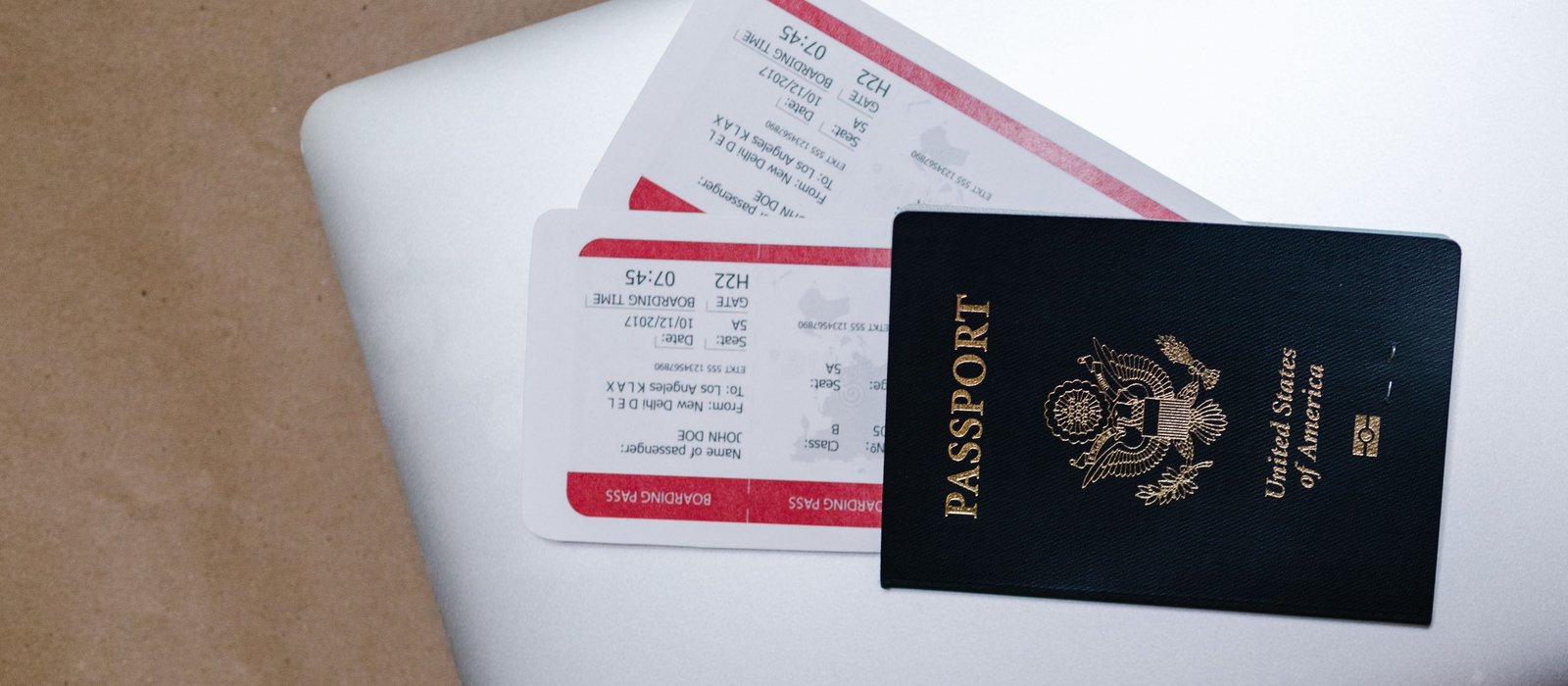
Before any trip to Japan, it's worth a quick check of your passport and entry documents. The requirements are simple for visa-free visitors like US citizens, but getting them right ahead of time — rather than discovering a problem at check-in — avoids any trouble at the airport. Here's exactly what you need, plus what to do in the rare case something goes wrong.
A valid passport
You need a valid passport to enter Japan. Unlike many countries, Japan does not impose the common "six months beyond your stay" validity rule on US visa-free visitors — your passport simply needs to be valid for the duration of your stay. That said, rules can vary by nationality, and a comfortably valid passport is always wise: if yours is close to expiring, renew it before you travel to avoid any complications (and because some onward connections or airlines may have their own requirements). Passport rules are exactly the kind of detail worth confirming on the official source close to your trip.
Visa-free entry for US citizens
US passport holders do not need a visa for tourism in Japan — you enter visa-free as a Temporary Visitor for stays of up to 90 days, with no application or fee. (See our dedicated visa guide for the full details.) Travelers from many other countries also enjoy visa-free entry, but the terms and permitted stay vary by nationality, so check your own country's specific arrangement if you're not American.
Blank pages
Make sure your passport has at least one blank page for the entry stamp or sticker you'll receive on arrival. If your passport is nearly full, consider renewing it (or, where applicable, adding pages) before you go, so there's room for the stamp.
Supporting documents
While rarely scrutinized for visa-free tourists, it's wise to have these accessible at immigration in case you're asked:
- Proof of onward/return travel — a return or onward ticket showing you'll leave within the permitted 90 days.
- Accommodation details — your hotel name and address (useful for the landing card and any questions).
- Sufficient funds for your stay, in principle, though this is seldom actually checked.
- A completed disembarkation card — handed out on the plane or available at kiosks in arrivals, with your flight number and Japan address (a hotel name and confirmation number is fine).
Arrival paperwork
On arrival you'll complete a landing card and customs declaration, either on paper or pre-registered via the optional Visit Japan Web for a faster, QR-code entry through the joint kiosks at major airports. You'll also have your photo and fingerprints taken as a standard biometric step for all foreign visitors. (See our immigration guide for the full arrival walkthrough.)
Special situations
- Longer stays, work, or study require an appropriate visa arranged in advance through a Japanese consulate — visa-free entry is strictly for short-term tourism and similar visits.
- Travelers with non-US passports should verify their own country's visa-free terms, permitted length of stay, and any passport-validity rules.
- Children, including infants, need their own valid passports — there's no adding a child to a parent's passport.
- Dual citizens and unusual situations should check the specific rules that apply to them.
If your passport is lost or stolen in Japan
A lost or stolen passport happens rarely, but it's worth knowing the process before you need it: report the loss to the local police station first (koban, the small neighborhood police boxes, can help even without much shared language) and get a police report, then contact the US Embassy in Tokyo or the nearest consulate (Osaka, Naha, Sapporo, Fukuoka) to apply for an emergency passport. Keep a digital copy of your passport's photo page (email it to yourself, or store it in a password manager) before you travel — it meaningfully speeds up the replacement process and is one of those five-minute prep tasks that only matters on the worst day of a trip.
Confirm before you travel
Entry and passport rules can change, and they vary by nationality. Always confirm the current requirements with the official source — such as the US State Department's Japan information page or the Japanese embassy/consulate — close to your departure date, since this is the detail most worth getting exactly right. A few minutes of checking prevents the rare but real heartbreak of being turned away at check-in — airline staff, not just immigration officers, are the ones who most often enforce passport-validity rules, sometimes more strictly than the destination country actually requires.
Bottom line
For US tourists, the essentials are simple: a valid passport (renewed if near expiry) with a blank page, visa-free entry for up to 90 days, and a return ticket on hand. Confirm the current rules on the official source before you go, and your documents won't slow you down at the border.