Good news for American travelers: if you hold a US passport, you do not need a visa to visit Japan for tourism. You can enter under Japan's visa-free arrangement and stay for up to 90 days as a Temporary Visitor — no application, no fee, no embassy appointment. Below is everything you actually need to know before you fly in 2026, plus the online forms you'll hear about and whether they're truly required.
The short answer
US citizens get visa-free entry to Japan as Temporary Visitors for stays of up to 90 days. This covers tourism, visiting friends and family, and most short business trips like meetings and conferences. You cannot work on this status. There is no charge whatsoever for visa-free entry — so any website asking you to pay for a "Japan visa" or "eVisa" for a tourist trip is one to avoid. Many other nationalities also enjoy visa-free entry, but terms vary, so non-US travelers should check their own country's arrangement.
What you need to enter Japan
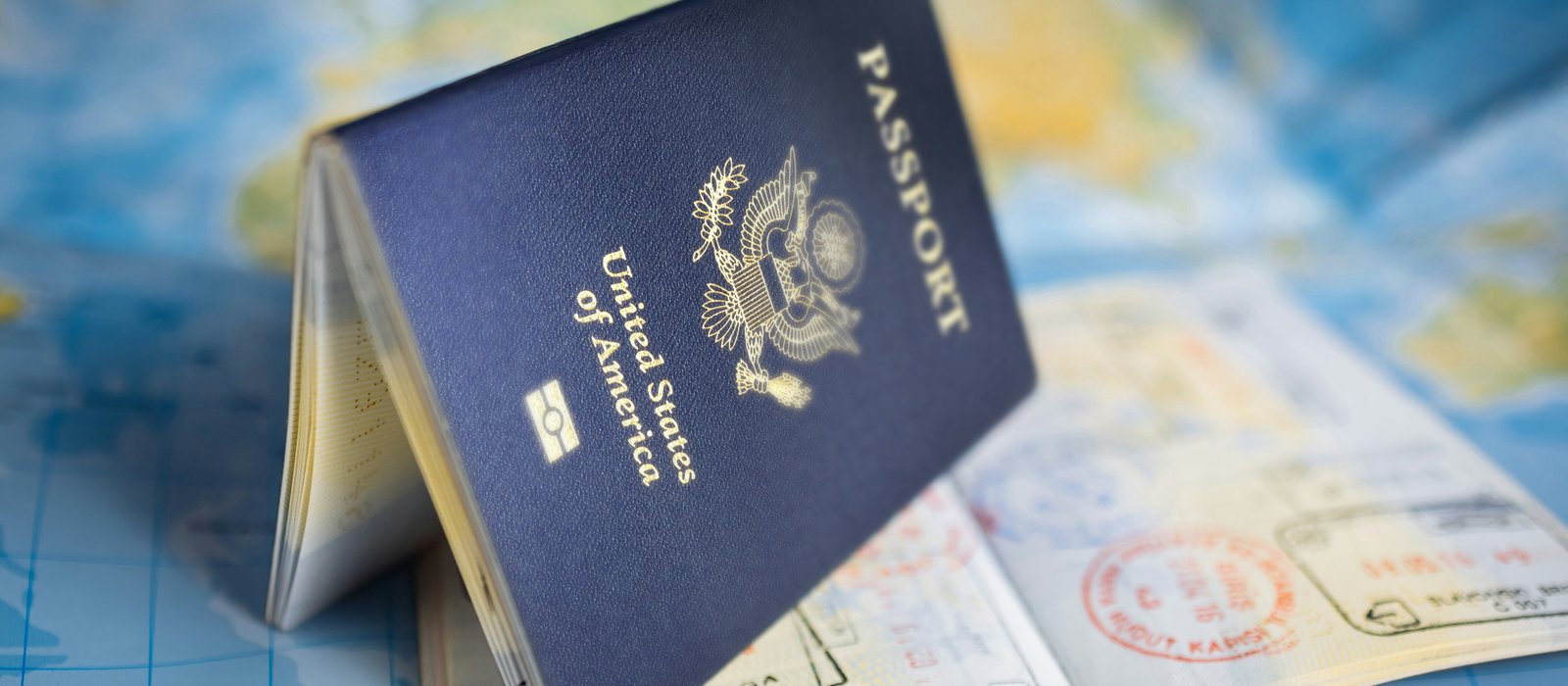
A valid passport
Your US passport needs to be valid for the duration of your stay. Notably, Japan does not impose the "six months beyond departure" validity rule that many countries use — for US visa-free visitors, the passport simply needs to be valid for your trip. Still, passport rules are exactly the kind of detail worth confirming on the official US State Department Japan page close to your trip, and if your passport is near expiration, renew it before you go to be safe.
Proof of onward travel
Immigration may ask to see a return or onward ticket showing you intend to leave within the visa-free window. In practice, most travelers booked on a round-trip flight are never asked — but have your itinerary handy just in case.
Landing procedure and biometrics
On arrival, foreign visitors are fingerprinted and photographed at the immigration counter — a routine step that takes seconds, not an interrogation. You'll fill out (or have pre-filled via Visit Japan Web, below) a disembarkation card with your flight number and address in Japan; a hotel name and confirmation number is fine for that field even if your plans shift later.
Visit Japan Web: optional, not required
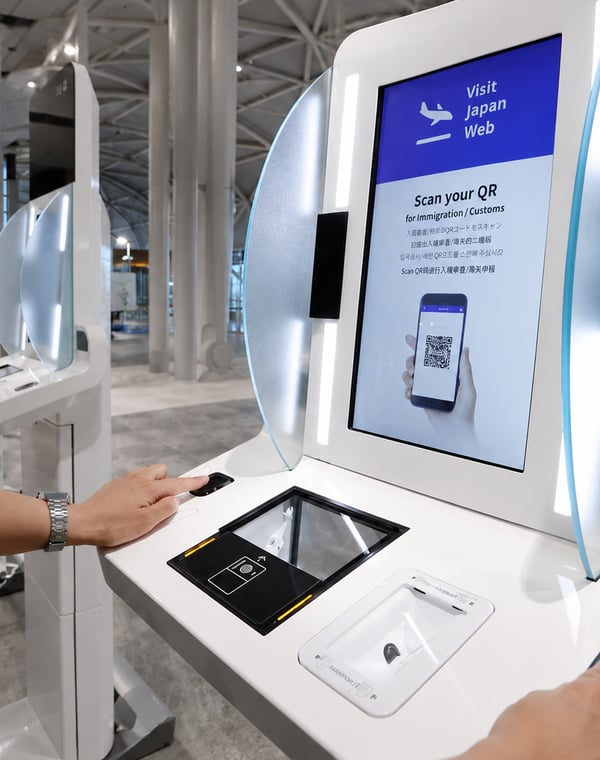
You'll see a lot of talk about "Visit Japan Web" (vjw.digital.go.jp). As of 2026, this is an optional pre-registration system, not a mandatory entry requirement. It lets you complete your immigration and customs declarations online ahead of time and receive a single QR code that speeds you through the airport. At Haneda, Narita, and Kansai, the Joint Self-Service Kiosks read that one QR code for both immigration and customs.
If you'd rather not bother, you can still fill out the paper landing and customs cards on the plane the old-fashioned way — both paths work fine. And just like the visa-free entry itself, the official Visit Japan Web service is free; never pay a third-party site for the QR code.
What about a 2028 travel authorization?
There are reports that Japan plans to introduce a digital travel authorization for visa-exempt travelers around 2028, similar to the US ESTA. As of 2026, this is not active — there is no ETA you need to apply for, and nothing extra to do beyond your visa-free entry. Because entry rules are the detail most likely to change, it's worth a quick re-check on the official source close to your departure if you're reading this later.
How long can you stay?
Up to 90 days per visit on visa-free Temporary Visitor status, and that window applies per entry rather than accumulating — a shorter trip doesn't "bank" unused days for a future one. If you need to stay longer, or you're traveling for work or study, that's a different visa category — contact a Japanese consulate well in advance to arrange the appropriate visa, as you can't switch from visa-free tourism to a work status on the fly.
Extending your stay or re-entering
The visa-free status generally cannot simply be extended from inside Japan once you've landed — it needs the different visa category above, arranged before you travel. Leaving and re-entering shortly after your 90 days expire to "reset the clock" is not a reliable workaround either: immigration officers can refuse entry if a pattern of back-to-back visa-free stays looks like an attempt to live in Japan without the right visa. If your trip might run long, plan the correct visa category from the start rather than testing the border.
A few edge cases worth knowing
Traveling with children on their own passports follows the same rule — each passport holder, regardless of age, gets the same 90-day Temporary Visitor status, and each child needs their own valid passport (Japan does not allow children to travel on a parent's passport). A prior criminal conviction can, in rare cases, affect entry eligibility under Japanese immigration law; if this applies to you, it's worth confirming your specific situation with a Japanese consulate well before booking rather than risk being turned away at the airport, which is the one scenario a good travel plan can't fix after the fact.
Sites to avoid
Because both visa-free entry and Visit Japan Web are free, the main scam to watch for is unofficial sites charging a "processing fee" or "service fee" for either one, often with official-looking branding. Go straight to the official government domains — mofa.go.jp for visa policy, vjw.digital.go.jp for the QR pre-registration — and the US State Department page for guidance, and ignore the rest. You should never pay anyone for a tourist "visa" to Japan.
Bottom line
For a typical American vacation to Japan, your to-do list is refreshingly short: a valid passport, a return ticket, and — if you want a faster airport experience — an optional Visit Japan Web QR code. No visa, no fee, no waiting on an approval. Confirm the current rules on the official source before you go, and once that's sorted, the next thing to plan is your flight over.