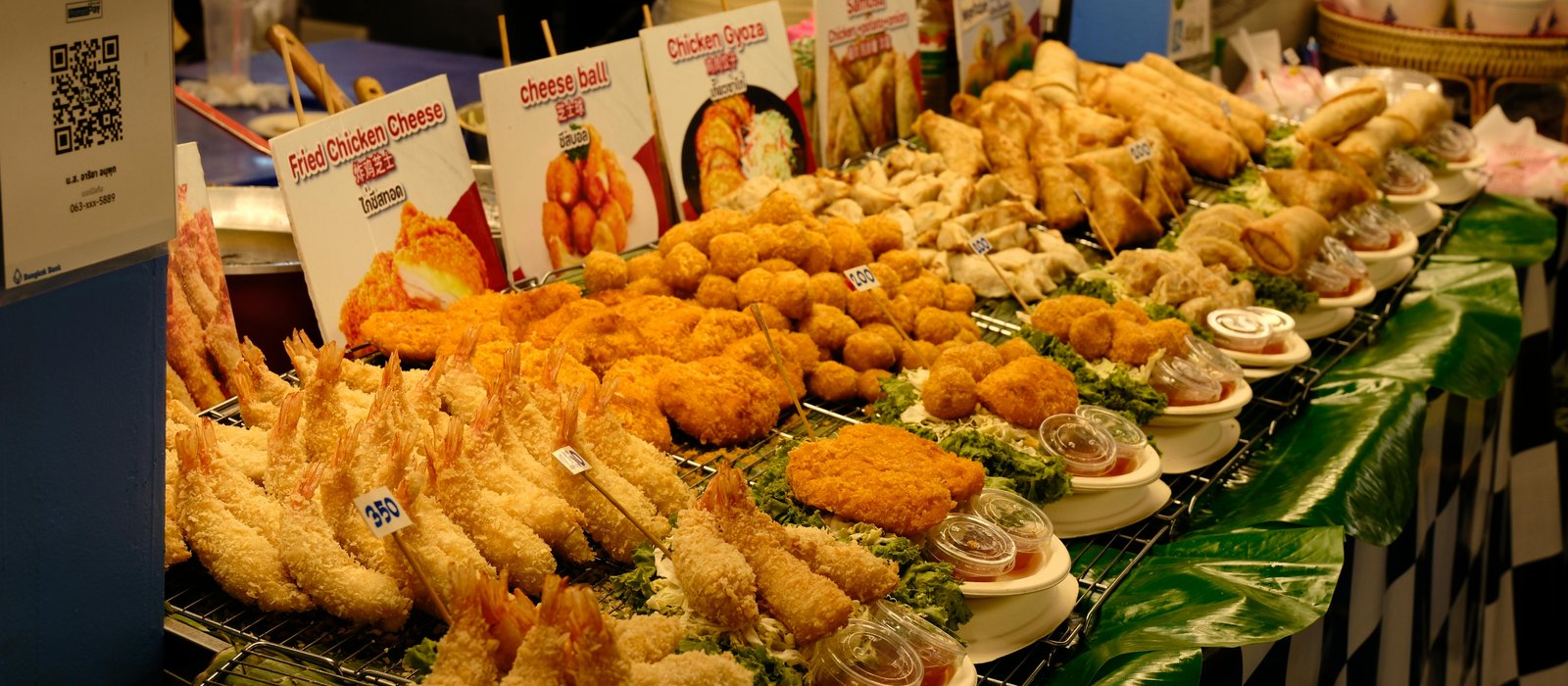
Japanese cuisine is vast — far beyond what most Americans picture before their first trip — and a first visit is the perfect excuse to eat widely. Beyond the famous sushi and ramen lies a whole world of dishes worth seeking out — everyday comfort foods, regional specialties, refined classics, and irresistible sweets. Here's a hit list to make sure you taste the best of Japan, organized so you can tick them off as you go.
Noodles
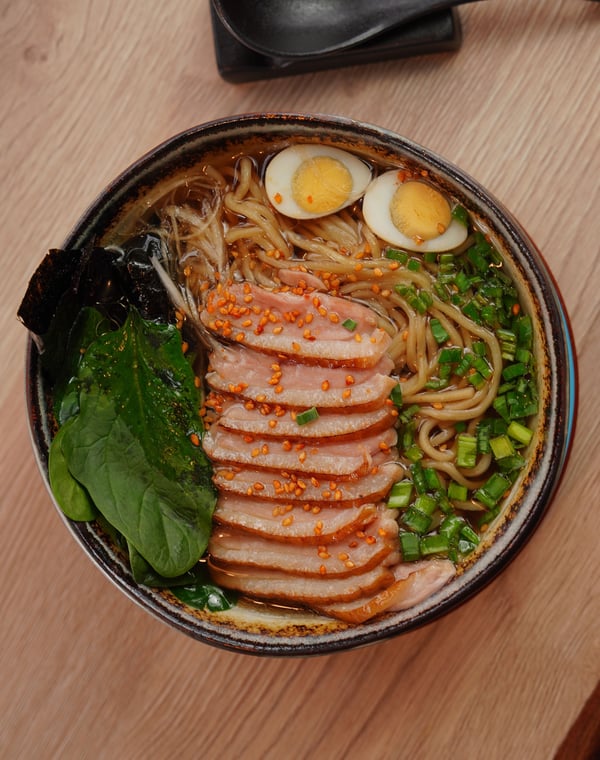
- Ramen: noodle soup in rich broth — the everyday favorite, with regional styles (soy, miso, salt, pork-bone) to explore.
- Udon: thick, chewy wheat noodles in a light broth, comforting and mild; great hot or cold.
- Soba: thin buckwheat noodles, served hot in broth or cold with a dipping sauce (zaru soba) in summer.
- Yakisoba: stir-fried noodles with vegetables and a tangy sauce, a festival and street-food staple.
Rice dishes
- Donburi: rice bowls topped with various ingredients — gyudon (simmered beef), katsudon (pork cutlet and egg), oyakodon (chicken and egg), tendon (tempura).
- Curry rice: Japan's beloved mild-sweet curry over rice — hearty, cheap comfort food.
- Onigiri: rice balls with fillings like salmon or pickled plum, a perfect cheap snack (convenience stores excel at these).
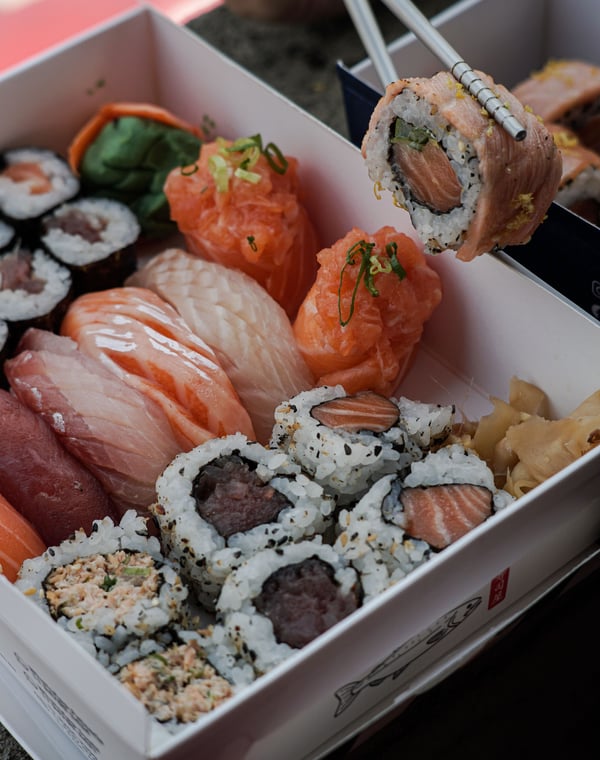
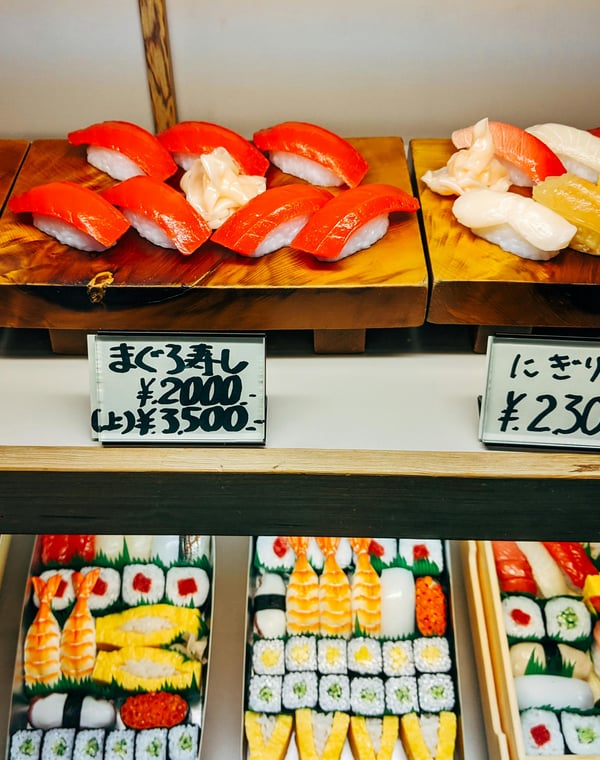
- Sushi and chirashi: from conveyor belts to counters, and scattered-topping rice bowls.
Fried and grilled
- Tempura: seafood and vegetables in a light, crisp batter, served with dipping sauce or salt.
- Tonkatsu: a breaded, deep-fried pork cutlet, usually with shredded cabbage, rice, and miso soup.
- Yakitori: skewered grilled chicken (every part), an izakaya staple brushed with tare or salt.
- Gyoza: pan-fried dumplings, crisp on the bottom, juicy inside.
- Karaage: Japanese fried chicken — juicy, garlicky, and addictive.
- Unagi: grilled freshwater eel glazed with a sweet-savory sauce over rice (unadon) — a rich delicacy.
Regional and savory specialties
- Okonomiyaki: a savory pancake of cabbage and batter with fillings, topped with sauce, mayo, and bonito flakes — big in Osaka (mixed) and Hiroshima (layered).
- Takoyaki: ball-shaped snacks filled with octopus, an Osaka street-food icon.
- Sukiyaki and shabu-shabu: hot-pot dishes where you cook thin-sliced meat and vegetables at the table.
- Yakiniku: Japanese-style grilled meat (often premium beef) you cook yourself over a tabletop grill.
- Kushikatsu: deep-fried skewers, an Osaka favorite (with a no-double-dipping rule for the shared sauce).
Refined and traditional
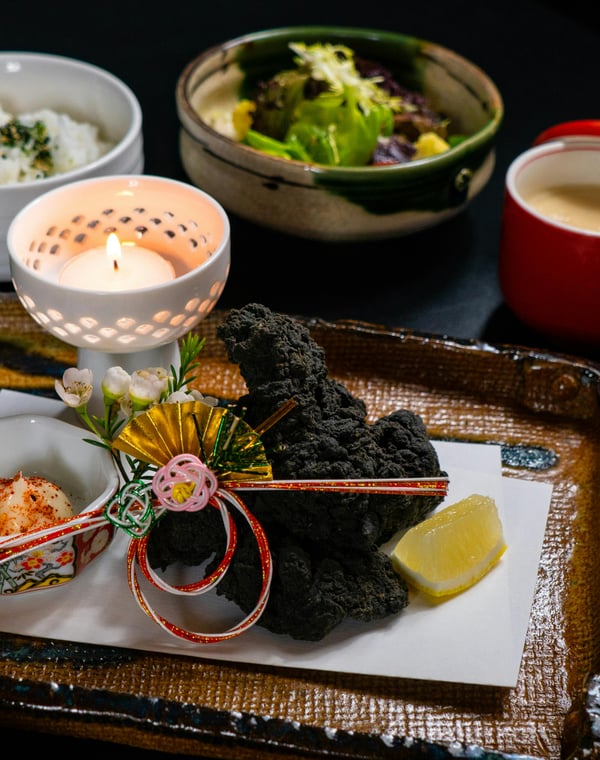
- Kaiseki: an elegant multi-course meal of seasonal, artfully presented dishes — a special-occasion experience, often at a ryokan.
- Sashimi: pristine slices of raw fish, simply presented.
- Yudofu: delicate simmered tofu, a Kyoto specialty tied to temple cuisine.
- Wagyu beef: Japan's famously marbled, melt-in-the-mouth beef, including prized regional brands like Kobe, Matsusaka, and Omi.
- Chawanmushi: a savory steamed egg custard, delicate and often served as a starter alongside a kaiseki course.
Sweets and snacks
- Matcha sweets: green-tea ice cream, cakes, and parfaits, especially around Kyoto and Uji.
- Mochi and wagashi: traditional pounded-rice and seasonal Japanese confections.
- Taiyaki and dorayaki: fish-shaped and pancake-style treats with sweet red-bean or custard fillings.
- Convenience-store desserts: surprisingly excellent and cheap — puddings, fruit sandwiches, and cakes.
- Crepes, parfaits, and seasonal KitKats for fun, only-in-Japan snacking.
- Dagashi: old-fashioned penny candy sold at retro dedicated shops, a nostalgic rabbit hole if you have kids or a sweet tooth for novelty.
How to actually work through this list
Trying everything on a single trip is unrealistic and not really the point — a smarter approach is to let each meal follow whatever a neighborhood or region is known for rather than hunting down every dish everywhere. Order the regional specialty where you are (okonomiyaki in Osaka, yudofu in Kyoto, kaiseki if a ryokan night is on the itinerary) rather than a generic version in a city that isn't known for it, and use convenience stores and standing noodle counters to fill in the everyday dishes (onigiri, a quick bowl of udon) between the meals you've planned around. That mix — a few deliberate, memorable meals plus a lot of easy, cheap grazing — is how most travelers actually eat well in Japan without overplanning every bite.
Don't forget the drinks
Pair your meals with sake, Japanese beer or acclaimed whisky (try a highball), shochu, or non-alcoholic green tea and matcha — see our dedicated drinks guide for the full rundown of what's worth ordering. Vending machines everywhere offer hot and cold options for pocket change, and tap water is safe throughout the country, so refilling a bottle costs nothing.
Bottom line
Make a list and eat your way through it — Japan rewards culinary curiosity at every price point, from a ¥150 convenience-store onigiri to a once-in-a-lifetime kaiseki feast. Trying these dishes is one of the most delicious and memorable parts of any first trip, so come hungry, be adventurous, and don't be afraid to point at a menu photo or another table's dish if the words alone don't help.