Three days is the sweet spot for a first taste of Tokyo — enough to hit the icons, soak up a couple of distinct neighborhoods, and still have room to breathe. The secret to a good Tokyo itinerary is geography: group each day around one part of the city so you spend your time exploring, not backtracking across the sprawl. Here's a balanced day-by-day plan you can follow as-is or adapt, anchored by the JR Yamanote loop line and your IC card.
Day 1: West side — Shibuya, Harajuku, Shinjuku
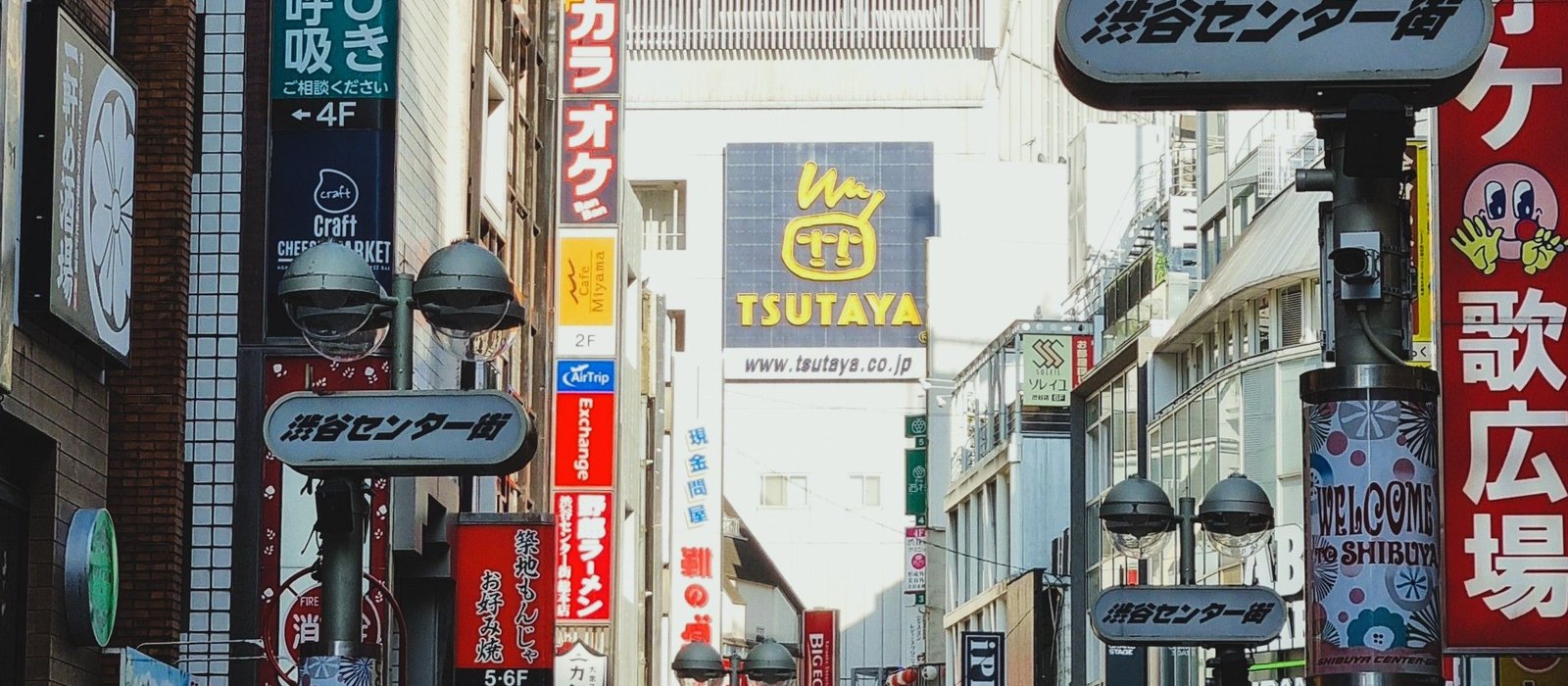
Begin in the city's youthful, modern heart. Start in Shibuya and walk the famous Shibuya Crossing, the scramble intersection where crowds surge in every direction — then watch it from above at a surrounding cafe, and find the nearby Hachiko statue. Walk or take one stop to Harajuku for youth fashion on colorful Takeshita Street and the upscale Omotesando boulevard, and step into the tranquil forest of Meiji Shrine right beside it — a serene contrast to the surrounding buzz. In the afternoon move to Shinjuku: explore the shops and the lovely Shinjuku Gyoen park, then, in the evening, dive into the atmospheric lantern-lit alleys of Omoide Yokocho or the tiny bars of Golden Gai for dinner and drinks. A high-energy introduction to modern Tokyo.
Day 2: Old Tokyo — Asakusa, Skytree, Akihabara
Swing to the historic east side. Begin early at Senso-ji in Asakusa — through the Kaminarimon thunder gate and up the Nakamise shopping street to the temple — before the crowds arrive. Walk or take a short hop to Tokyo Skytree just across the river for sweeping views from one of the world's tallest towers (and the shopping and aquarium at its base). In the afternoon, head to Akihabara for the electronics-and-anime spectacle, a sensory overload of gaming and pop culture. If time allows, the Tsukiji Outer Market is excellent for a fresh seafood lunch earlier in the day. This day balances deep tradition with quirky modern Tokyo.
Day 3: Choose your adventure
For your third day, pick based on your interests:
- teamLab + Ginza: spend the morning at the immersive teamLab digital art museum (book timed tickets well ahead), then the afternoon in Ginza for upscale shopping, department store food halls, and refined dining.
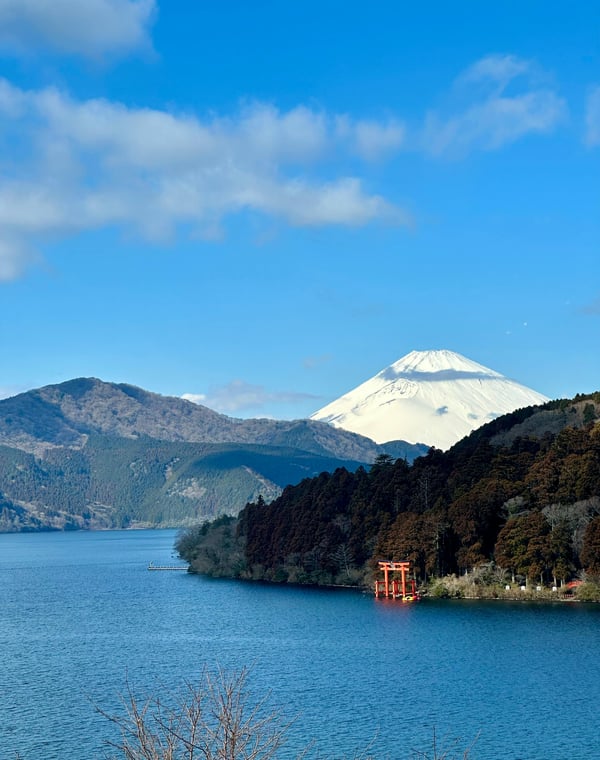
- A day trip: escape the city to Hakone for hot springs and Mt Fuji views, Nikko for spectacular forest shrines, or Kamakura for the open-air Great Buddha and a sea breeze. All are an easy train ride away.
A day trip is highly recommended if the weather's good — it adds variety and a taste of Japan beyond the capital. teamLab is the better rainy-day choice.
Tips to make it flow
- Get a Suica or Pasmo IC card on day one and use the Yamanote loop and Tokyo Metro to move between areas — it's the key to effortless transit.
- Start mornings early at popular sights (Senso-ji, Meiji Shrine, teamLab) to beat the crowds.
- Group each day by geography to minimize backtracking across the city.
- Book teamLab and any tours in advance — timed tickets sell out.
- Mind the last trains (around midnight) on late nights, or budget for a taxi.
Adapting the plan
The plan above flexes easily. With a fourth day, do the day trip and the teamLab/Ginza day rather than choosing, or add a neighborhood you're drawn to — Ueno's parks and museums, Odaiba's bayfront, or Shimokitazawa's vintage shops. If you're tighter on time, day three can be trimmed or merged. Families might swap in a theme park or the Ueno Zoo; night owls can build an evening around Tokyo's nightlife districts. However you shape it, three days gives you a satisfying first taste of the city before the bullet train carries you on to Kyoto.
Why this specific order works
The sequence isn't arbitrary: starting with Shibuya/Shinjuku's high-energy modernity, then moving to Asakusa's older, calmer register on day two, means your first impression of Tokyo is the version most visitors expect (neon, crowds, scale), and your second day resets that expectation with something genuinely different, which lands harder as a contrast than it would if you'd started there. Ending on a flexible day three — rather than locking in another fixed-theme day — also absorbs whatever's actually working for your energy level and the weather by that point, instead of forcing a plan made before you'd set foot in the country.
Where this leaves you
By the end of three days you'll have seen old and new Tokyo, wandered a few of its endlessly varied neighborhoods, eaten extremely well, and gotten comfortable with the trains — the foundation for the rest of a Japan trip. Tokyo can absorb a week or more without running dry, so consider this the highlights reel, and leave a few things undone as a reason to return.