Deciding whether a rail pass is worth buying requires knowing what the same journeys cost without one, and that number is surprisingly hard to find stated plainly. This guide prices the legs a first trip actually makes, explains how a Japanese fare is built, and gives you a method for costing your own route in about ten minutes.
What the main journeys cost
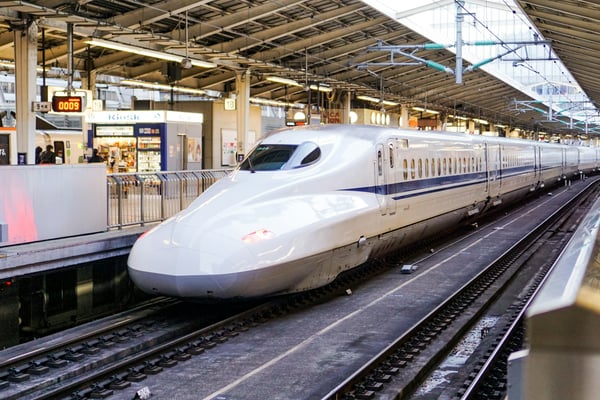
A reserved ordinary-car seat from Tokyo to Kyoto costs about ¥13,850 one way on a Hikari service. Tokyo to Shin-Osaka is slightly more. Travelling without a seat reservation is a few hundred yen cheaper, and the fastest Nozomi services cost a few hundred more than the Hikari.
How a Japanese fare is built
A Shinkansen ticket is not one price but two added together: a base fare for the distance, and a limited-express surcharge for the speed. That is why the numbers look oddly specific, and why a seat reservation is a separate small charge on top rather than part of the ticket.
The practical consequence is that comparing headline prices between routes can mislead. A journey twice as far is not twice the price, because the base fare scales with distance while the surcharge does not scale the same way.
Costing your own route
Pricing a Japanese rail route is straightforward once you stop thinking in days and start thinking in legs. Write down every long journey your itinerary makes — city to city, plus any day trip that uses a fast train — and price each one at roughly the Tokyo–Kyoto figure per comparable distance. The total is what your trip costs without any pass.
The legs a typical first trip makes
Most first itineraries contain two long journeys: into the country at one city, across to the second, and home. Some add a third if they reach further west or return by a different route. Very few first trips exceed four, which is the number that matters when any pass is being considered.
Short day trips from Tokyo or Kyoto usually run on local and rapid services at a fraction of bullet-train prices, so they rarely change the arithmetic much. It is the long inter-city legs that carry the cost.
Three worked routes
Pricing three common shapes makes the method concrete. A classic first week — into Tokyo, across to Kyoto, home from Osaka — contains one long leg and costs about one Tokyo–Kyoto fare in total. Ten days adding Hiroshima contains three long legs. A two-week loop that returns north from Kansai and reaches Kanazawa or Takayama contains four or five.
Those totals are the whole comparison. The first route cannot justify a national pass at any price; the third is exactly the shape where one starts to pay. Nothing about the decision requires more analysis than counting.
Day trips barely move the number
Day trips from Tokyo to Kamakura or Nikko, or from Kyoto to Nara, run largely on local and rapid services at a fraction of bullet-train prices. They matter to the day's plan and hardly at all to the ticketing arithmetic, which is worth knowing before you build an itinerary around extracting value from unlimited travel.
Reserved or not
Reserving a seat on a Japanese bullet train costs a few hundred yen and is worth it on almost every occasion a first-time visitor travels. Non-reserved cars exist on most services and are genuinely usable outside peak periods, but they fill on holiday weekends and at the start and end of major travel periods, which is precisely when an American visitor is most likely to be moving with luggage.
Travelling with large suitcases adds a wrinkle: oversized baggage on the busiest lines requires a reserved space, booked with the seat. It costs nothing extra if you do it at the time of booking and is awkward to fix afterwards.
When the point-to-point approach wins
Paying per journey wins whenever the route is short on long legs, which describes most first trips. It also wins on flexibility, because you are not trying to compress your travel into a fixed window to extract value from something already paid for — a distortion that quietly shapes a lot of Japan itineraries.
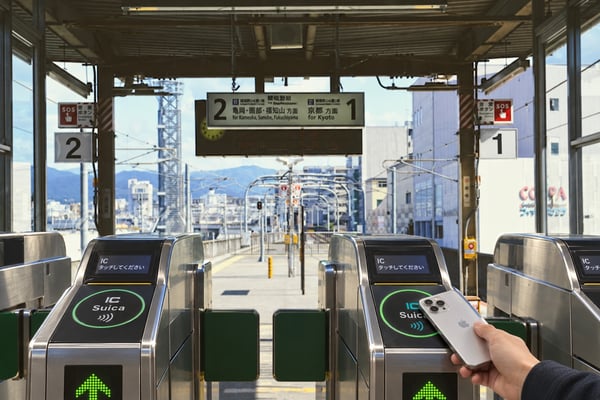
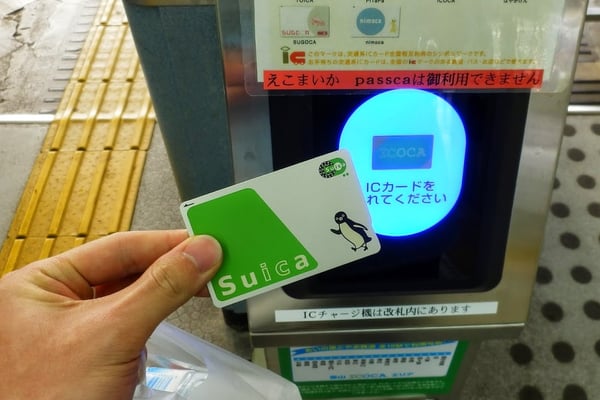
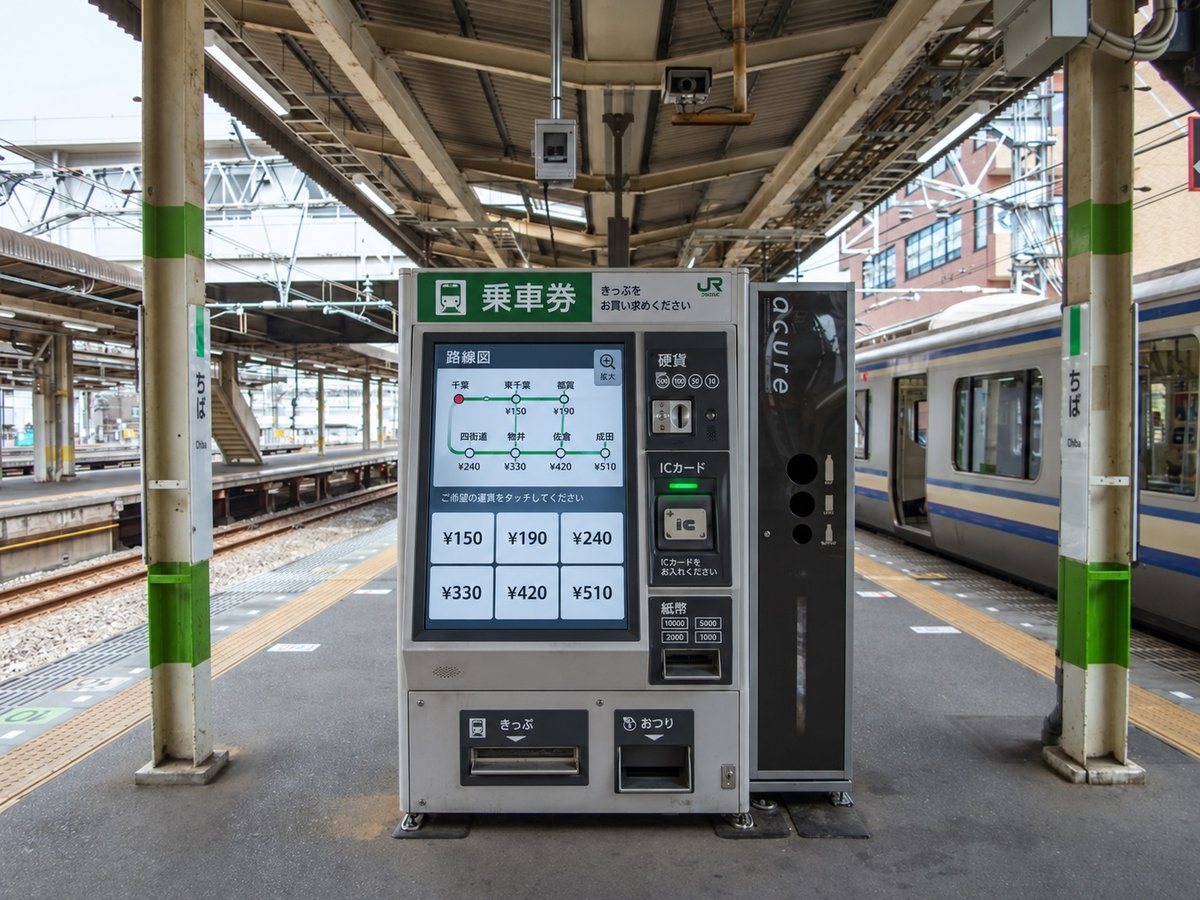
Buying tickets is straightforward. Machines at every major station carry English interfaces, staffed ticket offices handle anything unusual, and reservations can be made from a few weeks ahead down to minutes before departure if seats remain.
Comparing honestly
Once you have your route total, the comparison to any pass is a single subtraction. If your legs come to less than the pass price, the pass is a loss no matter how attractive the unlimited travel sounds; if they exceed it, the pass wins and the margin tells you by how much. The pass side of that comparison covers what the national pass includes.
Doing the sum in the other order — buying first, planning after — is the mistake that costs most. Routing and ticketing are one decision, and the complete Japan trip guide treats them that way.